How Goodwill, Salvation Army, and Independent Thrift Stores Compare
By Budget Shopping Network Editorial Team
Updated May 16, 2026 by Budget Shopping Network Editorial Team4 min read
Thrift stores aren’t just for bargain hunters anymore. They’ve become a treasure trove for sustainable shopping, creative upcycling, and even a little thrill-of-the-hunt excitement. It’s no surprise that stores like Goodwill and Salvation Army, along with countless quirky independent shops, have gained a devoted following. But here’s a question you may not have thought about: how do they actually compare?
Whether you’re thrifting for that perfect vintage jacket, hunting for affordable furniture, or just trying to shop with a conscience, it helps to know what each type of thrift store brings to the table. Goodwill, Salvation Army, and independent thrift stores all have their own vibes, pricing strategies, and missions. Let’s break it down, so the next time you head out thrifting, you’ll know exactly what to expect, and maybe even where to go first.
---
Goodwill: The Giant of Thrift Stores
When you think of thrift stores, Goodwill is probably the first name that pops into your head. And for good reason, it’s everywhere. Goodwill operates thousands of stores across the U.S., making it one of the most accessible options for shoppers. But it’s not just about convenience.
Mission and Purpose
Goodwill isn’t just selling secondhand stuff; it’s funding something bigger. Proceeds from sales go toward job training programs, employment placement services, and community initiatives aimed at helping people find work. What’s cool about this is that when you shop at Goodwill, you’re directly supporting these programs. It’s thrift shopping with a mission, and that mission matters.
The Shopping Experience
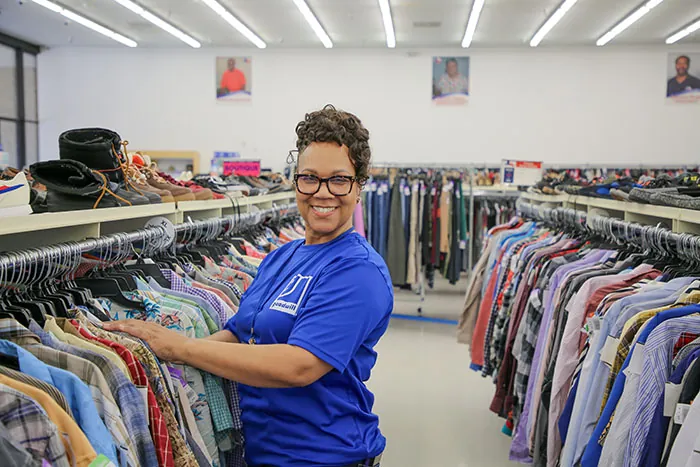
Walking into a Goodwill store feels pretty predictable, and I mean that in a good way. The layout is consistent: racks of clothes sorted by size and color, shelves of books, electronics in one corner, and a section for furniture. Some people love this kind of organization, while others think it feels a bit too much like a chain store. Either way, you know what you’re getting.
Now, about pricing. Goodwill is known for its color-tag discounts, where certain colors are half off on specific days. It’s a fun little system that can save you some serious cash if you time it right. That said, prices at Goodwill tend to be higher compared to other thrift stores, especially for brand-name items.
Inventory and Donations
Goodwill’s inventory is a mix of the everyday and the unexpected. You’ll find plenty of clothing, shoes, and home goods, but occasionally you’ll stumble on something truly unique. (I once found an old Polaroid camera there for $10—it worked!) Donations come from individuals, and sometimes you’ll see overstock from retailers, which means some items are brand-new with tags.
---
Salvation Army: Thrift with a Cause
The Salvation Army is another big player in the thrift store world, but it has its own distinct personality. If Goodwill feels corporate, Salvation Army feels...let’s say, a little more lived-in.
Mission and Purpose
Here’s the deal: when you shop at Salvation Army thrift stores, you’re supporting their Adult Rehabilitation Centers, which provide housing, therapy, and support for people struggling with addiction. It’s a faith-based organization, so religion plays a role in its operations, but its focus on helping people rebuild their lives is undeniable.
The Shopping Experience
Salvation Army stores can be a bit more hit-or-miss than Goodwill. Some locations are spacious and well-organized; others feel like a glorified garage sale. But there’s a certain charm in that unpredictability, and the prices? Oh, the prices. They’re often lower than Goodwill’s, especially on furniture and large items.
One quirky thing about Salvation Army stores: the sales aren’t always as clearly advertised as Goodwill’s color-tag system. But if you ask a staff member, they’ll usually point you toward the best deals.
Inventory and Donations
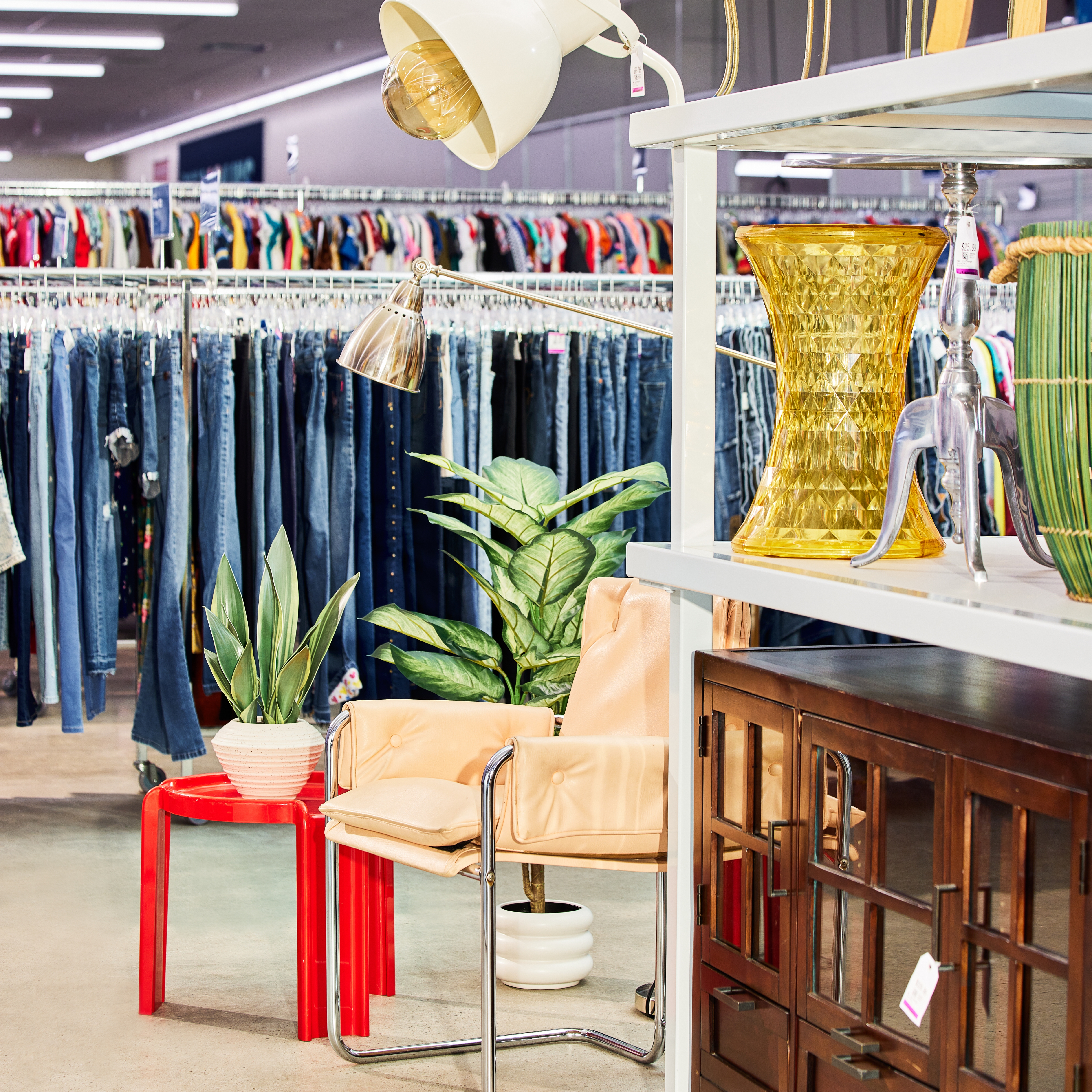
Furniture is where Salvation Army shines. Need a sofa? A coffee table? This is the place to go. They also carry clothing, electronics, and home goods, though the selection can vary wildly depending on the location. Like Goodwill, their stock comes from individual donations, and some stores also receive overstock from local businesses.
---
Independent Thrift Stores: Where Things Get Interesting
Now, let’s talk about the wild cards: independent thrift stores. These shops are all over the map, literally and figuratively.
Unique Features
Every independent thrift store has its own vibe, and that’s what makes them so fun. Some are like carefully curated boutiques, with vintage pieces and one-of-a-kind finds. Others feel like rummaging through someone’s attic. You never really know what you’re walking into, and that’s half the fun.
For example, Dirtbag Vintage in Fayetteville, AR, has a perfect 5-star rating with 538 reviews. That tells you something about the quality and care they put into their shop. Compare that to a Goodwill or Salvation Army, where ratings hover closer to the 4-star range.
The Shopping Experience
The beauty of these places is their individuality. Pricing, organization, and inventory quality can vary a lot. Some stores price things to move quickly, while others know their worth and charge accordingly. A little tip: independent stores often have staff who are deeply passionate about what they’re selling, so don’t be afraid to ask questions or strike up a conversation.
Support for Local Causes
Many independent thrift stores support hyper-local causes, whether it’s a nearby animal shelter, a community center, or even a specific family in need. Shopping here often means your money stays in your neighborhood, which is a pretty great feeling.
---
Data Snapshot: Thrift Store Trends
923
Total Thrift Stores
4.2
Average Customer Rating
Here’s something cool: according to the Thrift Store Pal directory, there are 923 thrift stores listed across five cities, with an average customer rating of 4.2 stars. Some of the top-rated stores include:
Whether you pick Goodwill, Salvation Army, or an independent shop depends on what you value most. Goodwill offers consistency and supports job training. Salvation Army keeps prices low and funds rehab programs. Independents? They’re where the magic happens, unique finds, local causes, and a shopping experience you won’t forget.
---

 ---
---