How to Clean and Sanitize Thrift Store Finds Like a Professional
By Budget Shopping Network Editorial Team
Updated May 16, 2026 by Budget Shopping Network Editorial Team4 min read
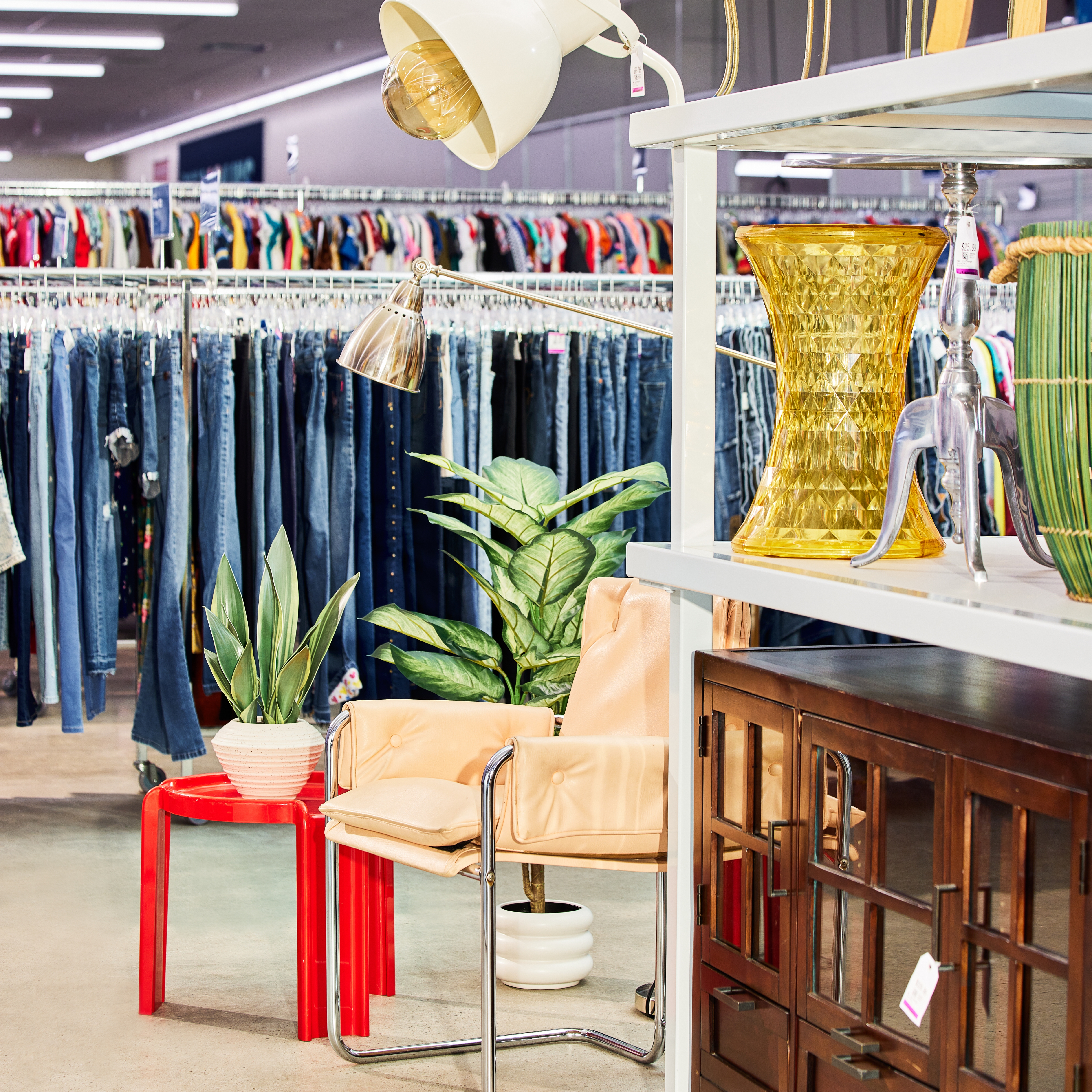
Walking into a thrift store can feel like stepping into a treasure hunt. From vintage jackets to unique home décor, the possibilities are endless. But let’s be honest, secondhand items don’t come pre-cleaned, and they can sometimes carry more than just nostalgia.
With over 1,123 thrift stores listed in our directory and an average customer rating of 4.2 stars, it’s clear these businesses are thriving. However, secondhand shopping brings its own challenges, particularly when it comes to cleanliness. Contrary to popular belief, a “quick wipe down” doesn’t cut it for most thrifted goods. Bacteria, allergens, and even pests could be hiding in your finds. Cleaning and sanitizing thoroughly is not just smart, it’s essential.
---
Why Cleaning and Sanitizing Thrift Store Finds is Essential
First, the numbers speak for themselves. Research has shown that used clothing and furniture can harbor bacteria, fungi, and mites. A study found that Staphylococcus aureus (the bacteria behind staph infections) can survive on fabrics for up to 90 days if left untreated. And that’s just clothes. Upholstered furniture and other porous materials are even trickier because they can trap allergens like dust mites or pet dander.
It’s not just about germs. Cleaning thrift store items properly also extends their life. If you’ve scored a vintage armchair or a leather jacket, a little care can preserve the item for years. Plus, let’s not overlook the environmental angle. Thrifting helps reduce waste, but maintaining those goods ensures they stay out of landfills even longer. Every piece you clean and reuse is one less item adding to the 92 million tons of global textile waste annually.
And let’s face it, cleaning feels good. Knowing your thrifted find is fresh and safe to use adds an extra layer of satisfaction.
---
Supplies You’ll Need for Cleaning and Sanitizing
Here’s the good news: you don’t need fancy or expensive products. But you do need the right tools.
Basic Cleaning Tools
Start with essentials:
Gloves (disposable or reusable)
Sponges and scrub brushes
Microfiber cloths (these trap dust more effectively)
A vacuum with attachments for crevices
Cleaning Agents
For most items, a mix of common household cleaners will do the job. White vinegar and baking soda are your best friends, they’re affordable, safe, and effective. For tougher cleaning, stock up on disinfectants, hydrogen peroxide, or a high-quality laundry detergent.
Specialized Products
Not all thrifted goods are created equal. For delicate items like leather or wood, you’ll need specialty cleaners. Leather cleaner and conditioner work wonders on thrifted bags and shoes, while wood polish brings old furniture back to life. Upholstery sprays are also a must-have for secondhand furniture.
---
Step-by-Step Cleaning Guide by Item Type
Cleaning methods depend on the material. Here’s how to tackle common thrift store finds:
Clothing and Fabric Items
Clothing is often the easiest to clean but can also carry hidden germs and odors.
1. Pre-treat stains: Use a stain remover or even a mix of baking soda and water on problem areas.
2. High-temperature washing: If the fabric allows, use hot water to kill bacteria and mites. Check the label first.
3. Odor removal: Add one cup of vinegar or baking soda to the wash cycle to neutralize smells.
4. Dry completely: Damp clothes can grow mold. If possible, use a dryer on high heat.
Pro tip: For delicate fabrics, a garment steamer can sanitize without risking damage.
Furniture and Upholstered Items
Furniture needs a bit more elbow grease.
1. Vacuum thoroughly: Remove all dust, crumbs, or debris using a vacuum with a brush attachment.
2. Spot clean stains: Mix mild soap with warm water for fabric stains. Test on a hidden spot first.
3. Disinfect hard surfaces: A multi-surface cleaner or diluted bleach solution works well here.
If you’re worried about pests like bed bugs, consider steam-cleaning upholstered furniture.
Books and Paper Goods
Yes, even books can carry germs, or worse, pests like mold spores.
1. Dust removal: Use a soft, dry cloth to wipe down covers and edges.
2. Freeze for pests: To kill insects or spores, place books in a sealed plastic bag and freeze them for 24-48 hours.
3. Cleaning solutions: For covers, a small dab of rubbing alcohol can help remove grime without damaging the material.
Electronics and Appliances
Electronics need careful handling, but they’re often worth the effort.
1. Wipe down exteriors: Use alcohol-based wipes to clean buttons, screens, and other surfaces.
2. Disassemble and clean: If parts like a toaster tray or blender jar are removable, wash them separately.
3. Check functionality: After cleaning, plug in and test the item to ensure it still works.
---
Sanitizing Tips for Specialty Items
Not every item fits neatly into the categories above. Here’s how to handle some of the trickier finds:
Tip
Always test cleaning solutions on a small, hidden area before using them on the entire item.
Jewelry and Accessories
For metals, jewelry polish or an ultrasonic cleaner is your best bet. Avoid harsh chemicals on delicate stones.
Toys and Baby Items
Wash plastic toys in warm soapy water or even the dishwasher (top rack only). For stuffed animals, use a washing machine if the label allows, or sanitize with a handheld steamer.
Vintage and Antique Pieces
Gentle cleaning is key here. Use soft brushes or cloths, and avoid abrasive cleaners. Antiques often have fragile finishes or fabrics that can’t handle modern cleaning methods.
---
Supporting Data: The Thrift Store Scene in Numbers
1123
Thrift Stores Listed
4.2
Average Customer Rating
Thrift shopping is booming. Colorado Springs leads the pack with 16 listings, followed by Denver and Phoenix at 12 each, and Boise and Honolulu with 11. Some top-rated stores include:
Store Name
City
Rating
Dirtbag Vintage
Fayetteville, AR
5.0 (538 reviews)
Gift To Earth Thrift Store
South Plainfield, NJ
5.0 (354 reviews)
Tandem Vintage
Minneapolis, MN
5.0 (169 reviews)
---
Frequently Asked Questions
How can I tell if a thrifted item is safe to clean?
Check labels for care instructions. If unsure, test a small area with a mild cleaner.
What should I avoid cleaning?
Items with severe mold, pest infestations, or structural damage are best left behind.

 With over 1,123 thrift stores listed in our directory and an average customer rating of 4.2 stars, it’s clear these businesses are thriving. However, secondhand shopping brings its own challenges, particularly when it comes to cleanliness. Contrary to popular belief, a “quick wipe down” doesn’t cut it for most thrifted goods. Bacteria, allergens, and even pests could be hiding in your finds. Cleaning and sanitizing thoroughly is not just smart, it’s essential.
---
With over 1,123 thrift stores listed in our directory and an average customer rating of 4.2 stars, it’s clear these businesses are thriving. However, secondhand shopping brings its own challenges, particularly when it comes to cleanliness. Contrary to popular belief, a “quick wipe down” doesn’t cut it for most thrifted goods. Bacteria, allergens, and even pests could be hiding in your finds. Cleaning and sanitizing thoroughly is not just smart, it’s essential.
---