Thrift Store Furniture Flipping: From Rescue to Revenue
Is flipping thrift store furniture really worth it?
It absolutely can be. Furniture flipping, the process of buying used furniture, fixing it up, and selling it for a profit, has exploded in popularity as a side hustle or even a full-time gig. The appeal lies in its low entry cost, creative possibilities, and the growing demand for sustainable secondhand goods.
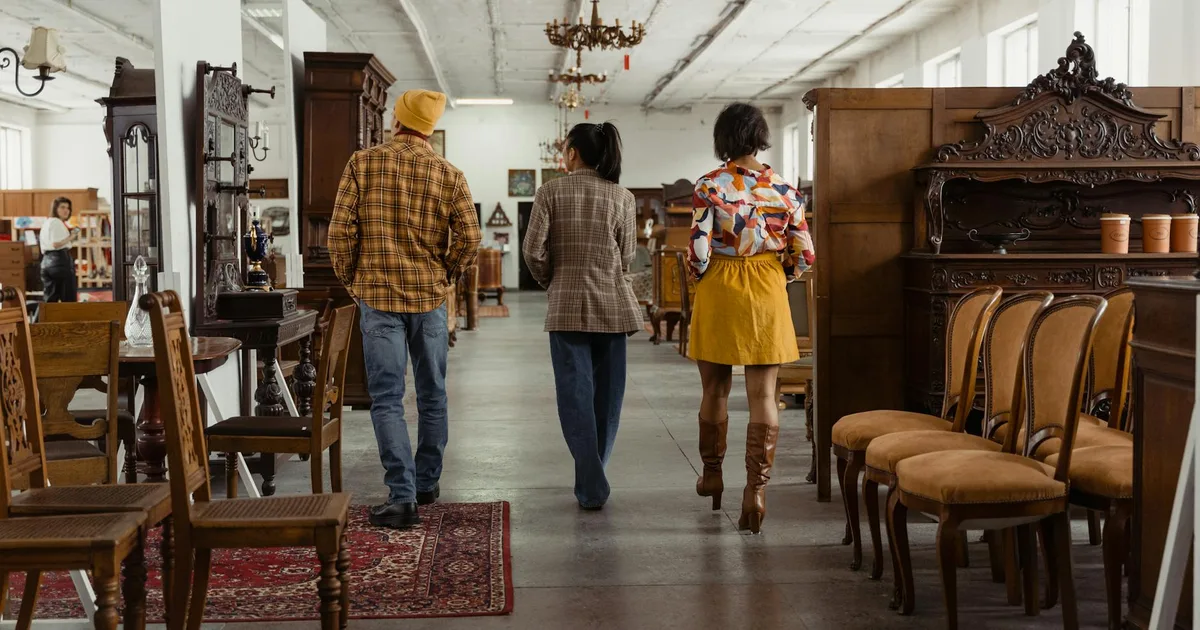
Thrift stores, in particular, are a goldmine for flippers. These businesses provide an endless supply of affordable, unique, and often high-quality furniture. And with the secondhand furniture market projected to grow significantly, driven by consumer interest in upcycling and eco-conscious shopping, the potential for profits is only increasing. But is it all as straightforward as it seems? Let’s look at the data and break down the process step by step.
Myth #1: Furniture flipping is expensive to start
Contrary to popular belief, you don’t need a massive upfront investment to get started. While some assume flipping requires expensive tools or large workshop spaces, the reality is quite different. Basic restoration tools like a sander, paintbrushes, wood glue, and finishes can cost less than $200. For transportation, a hatchback or SUV is often enough to haul small-to-medium pieces of furniture, no need for a big truck.
As for sourcing materials, thrift stores make the process affordable. With 923 thrift stores listed in the Thrift Store Pal directory across just five cities, options are abundant. Cities like Colorado Springs (14 listings), Boise, and Phoenix (each with 11) show just how widespread these resources are. Plus, many stores offer discounts on certain days or negotiate prices for bulk purchases, further lowering costs.
Many thrift stores restock inventory early in the week. Visiting mid-morning on a Monday or Tuesday often yields the best finds before they’re picked over.
Compared to other business ventures, furniture flipping remains one of the cheapest ways to start earning supplemental income, or even replace a 9-to-5 entirely.
Myth #2: Finding good pieces is pure luck
The data tells a different story. Successful flippers don’t rely on luck; they have strategies. Thrift stores, yard sales, flea markets, and even Facebook Marketplace are prime sourcing locations. Thrift Store Pal’s database alone lists highly rated businesses like Dirtbag Vintage in Fayetteville, AR (5.0 stars from 538 reviews) or Gift To Earth Thrift Store in South Plainfield, NJ (5.0 stars, 354 reviews). These stores are known for their consistent quality and diverse inventory.

When scouting furniture, focus on a few key traits:
- Sturdy construction: Solid wood pieces are always a safe bet.
- Minimal damage: Avoid anything with deep structural flaws or excessive rot.
- Potential for transformation: Unique shapes, interesting hardware, or pieces with storage opportunities tend to sell better once restored.
Wait, that’s not the whole picture. Relationships with thrift store staff can also improve your sourcing game. Staff often know when new inventory arrives or when hidden gems are buried in the back. A little friendly conversation can go a long way.
Myth #3: Flipping is only for experts
This misconception holds many people back. In truth, beginners can start small with simple projects like sanding and repainting a chair or reupholstering a dining stool. Advanced techniques, such as custom carving or joint repair, can be learned gradually.
Here’s what you’ll need to get started:
- A sander for smoothing rough surfaces
- Paint and primer for modernizing old finishes
- New hardware (knobs, hinges, etc.) for added flair
- Wood glue and clamps for structural fixes
Adding value to a piece doesn’t require expertise, just creativity. For example, flipping a simple dresser into a mid-century modern statement piece by adding tapered legs and walnut stain can double its resale value. Storage additions, such as turning a coffee table into a storage trunk, are also popular upgrades that command higher prices.
And if you are looking for inexpensive tools or materials, don’t overlook alternative directories. For example, salvage grocery stores often sell cleaning supplies or small tools at a discount, perfect for tight budgets.
Myth #4: Selling furniture is the hardest part
Actually, selling can be one of the easiest steps with the right approach. Facebook Marketplace is the go-to platform for most flippers, with its massive local audience and low transaction fees. Etsy and eBay cater to more niche or high-end buyers but can take a percentage of your sales.
To price your pieces, consider:
- Original investment: Include the cost of the item and materials used.
- Time spent: How many hours did you put into the piece?
- Market demand: Research comparable listings in your area.
For example, a $20 nightstand that took four hours to repaint and cost $15 in materials might sell for $120-$150, depending on its new look. That’s a solid profit margin of 300% or more.
Natural light, neutral backgrounds, and multiple angles make a huge difference in online listings. Buyers often decide within seconds whether they’re interested.
Building a reputation is another key to success. Many flippers build loyal followings by maintaining consistent quality, engaging with buyers, and even offering delivery for a small fee.
What This Means For You
If you’ve been hesitant to start flipping furniture, it’s time to reconsider. With 923 thrift stores mapped out in just a handful of cities, finding affordable pieces is easier than ever. Start small, stick to a budget, and learn as you go, profits will follow. Plus, you’ll be contributing to a more sustainable, waste-conscious economy in the process.