Thrift Store vs Consignment Shop: Which Saves You More Money?
By Budget Shopping Network Editorial Team
Updated May 16, 2026 by Budget Shopping Network Editorial Team4 min read
What’s the difference between a thrift store and a consignment shop? At first glance, they might seem like two sides of the same coin, both are great for snagging secondhand treasures while giving your wallet a break. But the truth is, these two types of stores operate very differently, and the kind of savings you’ll find can vary depending on what you’re shopping for. Whether you’re on a tight budget or hunting for top-quality pieces, this guide will help you figure out which option works better for you. Oh, and spoiler alert: both are fantastic for keeping your shopping sustainable and affordable.
Let’s dive into the nitty-gritty differences, the prices, the quality, and even some insider tips to make sure you’re getting the most out of these spots. And trust me, you’ll want to stick around for some surprising data from Thrift Store Pal, it’s amazing how many hidden gems are out there just waiting for you!
What is a Thrift Store?
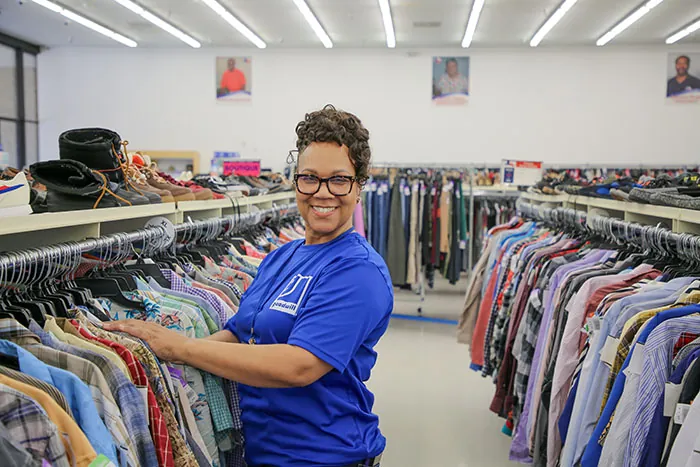
Picture this: rows of clothing racks, a shelf overflowing with mismatched mugs, and maybe even a box of vinyl records in the corner. That’s a thrift store in a nutshell. Thrift stores sell items that have been donated, which means inventory is unpredictable but often incredibly affordable. You’ll find everything from gently used clothes to furniture, kitchen gadgets, and even books. It’s like a treasure hunt every time you step through the door.
One thing that sets thrift stores apart is their pricing. Since the items are donated, the stores don’t have to pay for inventory, which translates to rock-bottom prices for shoppers. You might walk out with a designer jacket for $5 or a complete set of dinnerware for under $10. That’s not an exaggeration, I’ve seen it happen.
Some thrift stores are run by nonprofits like Goodwill or the Salvation Army, and they use the proceeds to fund community programs. Shopping at these stores isn’t just easy on your budget; it’s also a way to support charitable causes. (Side note: always check for colored tag sales, many thrift stores rotate discounts based on the tag color for the day!)
What is a Consignment Shop?
Now, let’s talk about consignment shops. These are a bit more polished, like the thrift store’s older, more sophisticated cousin. Instead of selling donated items, consignment shops sell items on behalf of individuals. The shop takes a cut of the profit (usually 40–50%) and the seller gets the rest. This means the inventory is usually more curated, think lightly used or even brand-new designer clothing, upscale furniture, or high-end accessories.
The prices at consignment shops are typically higher than at thrift stores, but you’re paying for quality. If you’re on the hunt for something specific, like a genuine leather handbag or a solid wood dining table, a consignment shop might be your best bet. Plus, these shops often inspect items for flaws, so you’re less likely to end up with something that’s damaged or overly worn.
Here’s a cool detail: many consignment shops have agreements with sellers that specify how long an item will stay on the floor. If it doesn’t sell within that time, the item’s price might drop. So if you’re willing to play the waiting game, you can sometimes snag a deal.
Key Differences Between Thrift Stores and Consignment Shops
Let’s break it down into three main categories: pricing, quality, and the overall shopping experience.
Pricing
This one’s easy: thrift stores are generally cheaper. A donated inventory means thrift stores can price items far lower than consignment shops, where the cost has to be split between the seller and the store. If you’re just looking for the lowest possible prices, a thrift store wins every time.
But here’s the thing, if you’re looking for something specific and don’t want to waste time searching, a consignment shop might save you money in the long run. Why? Because buying a high-quality item that lasts can be cheaper than replacing a low-quality one multiple times. It’s about value, not just price.
Quality
Thrift stores can be hit or miss. You’ll find a mix of gently used items and some that have seen better days. It’s part of the charm, really. There’s something satisfying about finding that one amazing piece hidden among the racks.
Consignment shops, on the other hand, are much more selective. Items are often inspected for quality, and many shops specialize in certain categories like designer fashion or high-end home goods. If you’re someone who prefers curated selections, this is where consignment shops shine.
Shopping Experience
Shopping at a thrift store can feel like digging for buried treasure. You never know what you’ll find, and that unpredictability can be a lot of fun. (Pro tip: go often, because inventory changes constantly.) The downside? It can be overwhelming, especially in larger stores.
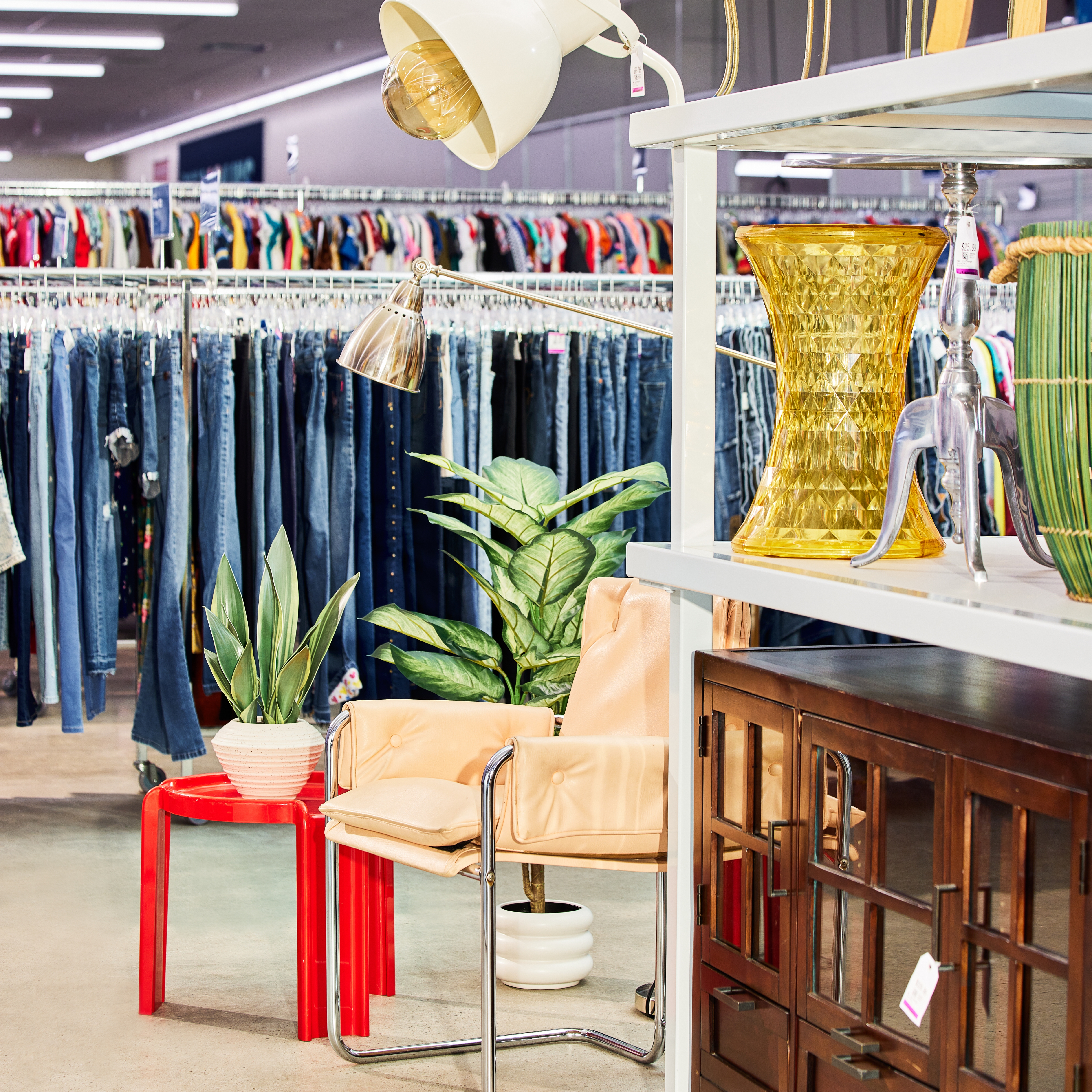
Consignment shops, by contrast, are usually more organized. Items are displayed more thoughtfully, and it’s easier to navigate if you’re looking for something specific. Some even feel like upscale boutiques.
Which Saves More Money? A Cost Comparison
Okay, so here’s the big question: which one is actually cheaper? In practice, the answer depends on what you’re shopping for.
At thrift stores, you’ll almost always find lower prices. A pair of jeans might cost $4–$10, while at a consignment shop, the same jeans (if they’re a recognizable brand) could go for $20–$40. That’s a big difference. But let’s not forget that thrift store quality can be a gamble.
Consignment shops are better if you’re looking for higher-quality items at a discount. Let’s say you need a formal dress for a wedding. At a consignment shop, you might pay $50 for a designer gown that originally retailed for $300. Try finding that at a thrift store!
Pro Tip
Sign up for loyalty programs or newsletters at consignment shops, they often send out coupons or early sale notifications.
Thrift Store Pal Data Insights: Thrift and Consignment Shops by the Numbers
Now for the fun part: the data. According to Thrift Store Pal’s directory, there are 923 businesses listed across five cities, with an average customer rating of 4.2 stars. That’s impressive! Some of the top-rated businesses include:
5.0
Dirtbag Vintage (Fayetteville, AR)
5.0
Gift To Earth (South Plainfield, NJ)
Colorado Springs leads the pack with 14 listings, followed by Boise, Honolulu, Phoenix, and Columbus, each boasting 11. Curious about other budget-friendly shopping options? Check out salvage grocery stores near you for deals on pantry staples and more.
FAQs: Common Questions About Thrift and Consignment Shopping
What are the best items to buy at thrift stores vs. consignment shops?
Thrift stores are great for furniture, books, and everyday clothes. Consignment shops excel in designer fashion, luxury handbags, and upscale home décor.
Do thrift stores or consignment shops have return policies?
Thrift stores rarely accept returns. Consignment shops are more likely to offer limited return windows, but always check their policy before buying.
Conclusion
In the end, thrift stores and consignment shops each have their strengths. If saving the most money is your goal, thrift stores are hard to beat. But if you value quality and a curated selection, consignment shops are worth the extra cost. Typically, the choice really depends on what matters most to you.

 Let’s dive into the nitty-gritty differences, the prices, the quality, and even some insider tips to make sure you’re getting the most out of these spots. And trust me, you’ll want to stick around for some surprising data from Thrift Store Pal, it’s amazing how many hidden gems are out there just waiting for you!