What Are Consignment Shops? A Shopper's Guide to This Store Type at Thrift Store Pal
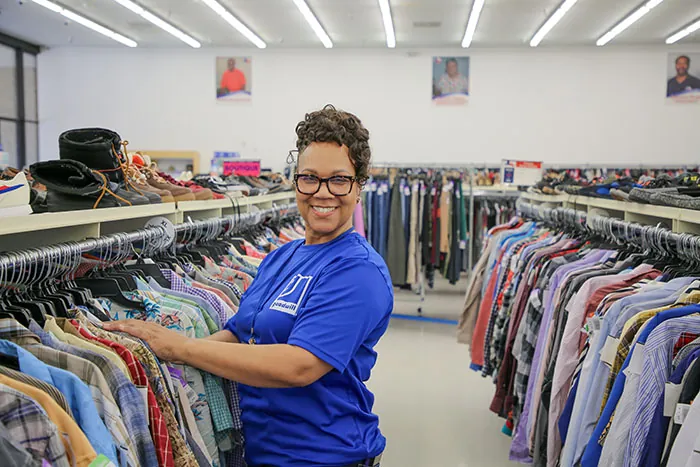
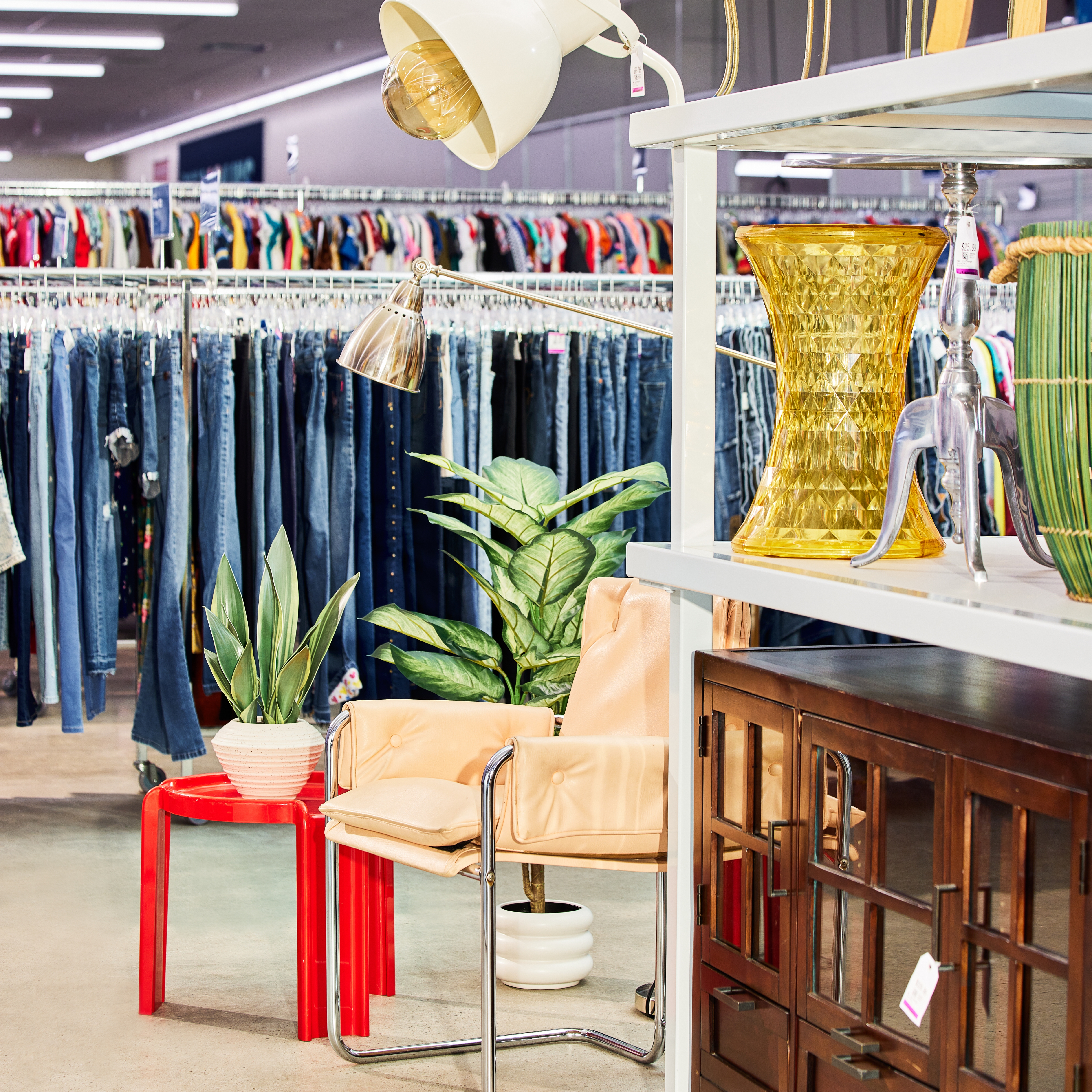
You walk into a small shop, the kind with racks of neatly sorted clothes, shelves of shoes, and a mix of new-and-old scents in the air. There’s a Gucci handbag sitting next to a $15 pair of barely-worn boots. It’s not a thrift store, but it’s not a boutique either. Welcome to the world of consignment shops, where nearly-new meets affordable pricing.
What Are Consignment Shops?
Consignment shops are stores that sell products on behalf of their owners. Here’s how it works: someone (like your neighbor or coworker) brings in items they want to sell, often clothing, accessories, furniture, or home goods. The store reviews the items, decides what they’ll accept, and sets them up for sale. When those items sell, the original owner and the shop split the earnings. Typical splits range from 50/50 to 60/40, depending on the store’s policies.
Unlike thrift stores, where donations drive inventory, consignment shops curate their selections. This means you’re more likely to find high-quality, gently-used goods rather than digging through piles of worn-out items. In fact, many of these places feature name-brand or designer labels at prices far below retail. It’s a treasure hunt, but with higher odds of scoring gold.
Looking for one near you? The Thrift Store Pal directory, featuring 1,124+ verified listings, can save you time by showing reliable consignment shops in your area. You’ll even find reviews, so you know what to expect before stepping in.
Tips for Shopping at Consignment Shops
Shopping at consignment stores can be both fun and overwhelming. Start with a game plan. Are you looking for something specific, like a winter coat? Or are you just browsing? Walking in with some idea of what you need can keep you from overspending, or spending hours wandering aimlessly.
One tip? Check the store’s layout. Many consignment shops organize items by size, category, or even color. If you’re short on time, head directly to the sections that fit your needs. For example, start in the shoe aisle if you’re hunting for boots. Don’t forget to ask employees if they have new arrivals. Some stores bring out fresh inventory daily or even hourly.
And here’s a small but important trick, look closely at the tags. Some shops use colored tags or stickers to indicate discounts. For instance, a red sticker might mean 20% off, while blue could signal clearance. Miss those details, and you might leave savings on the table. Trust me, it pays to double-check before heading to the register.
How to Spot Quality Finds
Because consignment shops focus on quality, you’ll often see well-kept, almost-new items, but not everything is a great deal. So how do you separate the gems from the junk? First, examine fabrics and materials. Natural fibers like wool, silk, or leather tend to hold up better over time compared to synthetic blends. If you’re browsing furniture, check for solid wood over particleboard, it’s sturdier and lasts longer.
Second, inspect every piece carefully. Look for stains, loose threads, missing buttons, or worn soles. A small flaw doesn’t have to be a dealbreaker, but you should decide if it’s worth fixing. For example, a simple sweater with a missing button might just need a quick DIY repair, while a designer bag with a broken strap could cost too much to restore.
Finally, try searching for seasonal items. Shopping off-season can yield big savings. Think winter coats in July or swimsuits in January. Many shops price these items lower when demand is low, giving you high-quality goods at a fraction of the price.
Why Consignment Shops Are Worth Exploring
Consignment stores offer more than just savings; they provide access to unique items you won’t find at the mall. From one-of-a-kind vintage pieces to barely-used designer labels, it’s the kind of shopping that feels like an adventure. Plus, buying second-hand is eco-friendly. By choosing resale, you’re keeping items out of landfills and reducing demand for fast fashion manufacturing.
And no, these stores are not just for shoppers. Many people also consign their own items to make extra cash. If you’ve got high-quality clothing or home goods you no longer need, why not give it a shot? Just remember, most shops have strict guidelines about what they accept, so check their policies first.
Want to get started? Use the Thrift Store Pal directory to explore consignment shops nearby. With over 1,124 verified listings, you’re bound to find a store that fits your style (and budget). Who knows? Your next favorite outfit, or side hustle, might be waiting on a rack nearby.
FAQs About Consignment Shops
- Do consignment shops only sell clothes? No! While clothing is common, many shops also offer furniture, jewelry, home goods, and even kids’ toys or sports equipment.
- How do I know if items are clean? Most consignment shops inspect and clean items before putting them on display. However, you should still check each item closely yourself.
- What happens if my consigned item doesn’t sell? Each shop has its own rules, but unsold items are often returned to the original owner or donated to charity. Be sure to confirm the policy when consigning your goods.
Ready to find your next treasure? Check out the Thrift Store Pal directory and start exploring consignment shops near you today!