What to Expect When Stepping Into a Thrift Store
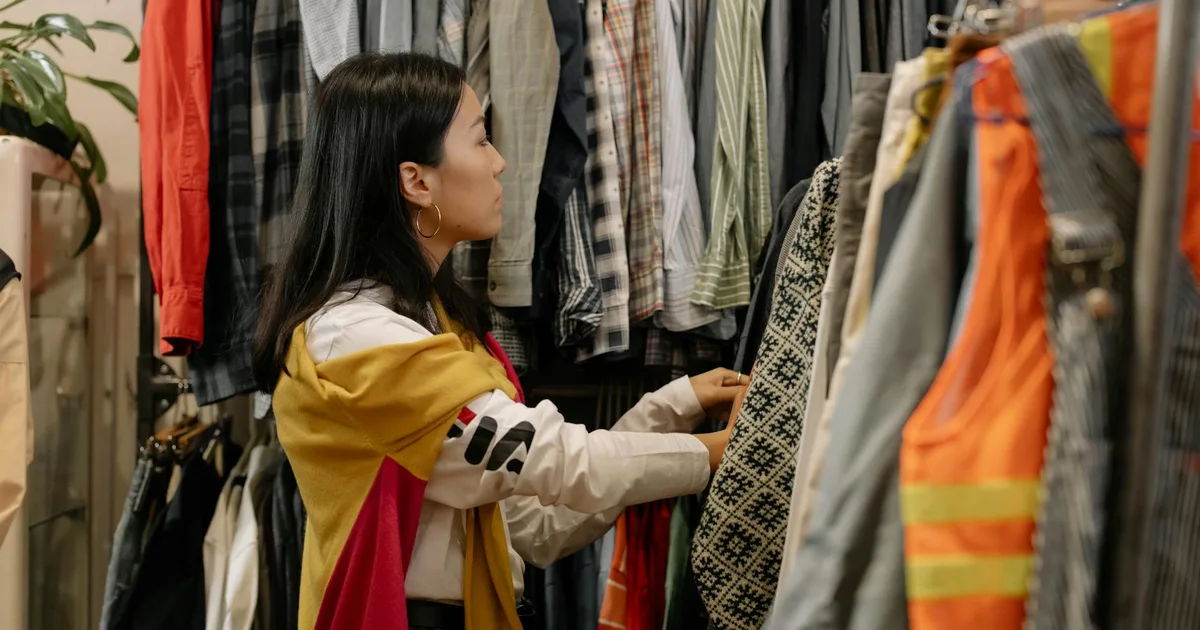
Picture this: you're walking into a thrift store for the first time, maybe a little unsure about what you'll find. Right by the entrance, a rack of colorful clothing catches your eye. A nearby shelf is crammed with everything from vintage teapots to quirky figurines. It's exciting, but also a little overwhelming. If that sounds familiar, you're not alone, many people aren't sure what to expect when they first visit a thrift store. But stick around, and you'll find these places are full of treasures waiting to be uncovered.
What Exactly Is a Thrift Store?
Thrift stores are a type of secondhand retail business offering used clothing, furniture, household items, and more, often at very affordable prices. These shops play a unique role in local communities by giving pre-loved items a new home. And it's not just about bargains. Shopping at thrift stores also supports sustainability by reducing waste and encouraging reuse.
Unlike consignment shops, which take a percentage of sales from sellers, thrift stores typically receive donated items. This makes their inventory unpredictable but exciting. On one visit, you might find a brand-new designer coat with tags still on; the next, it could be a vintage lamp that looks straight out of a '70s sitcom. Every trip feels like a mini-adventure.
You’ll also see incredible variety. Clothing racks are just the beginning. From furniture and books to kitchen gadgets and toys, these places have a bit of everything. It’s worth blocking out some time when you visit, browsing is half the fun!
What You’ll Find Inside
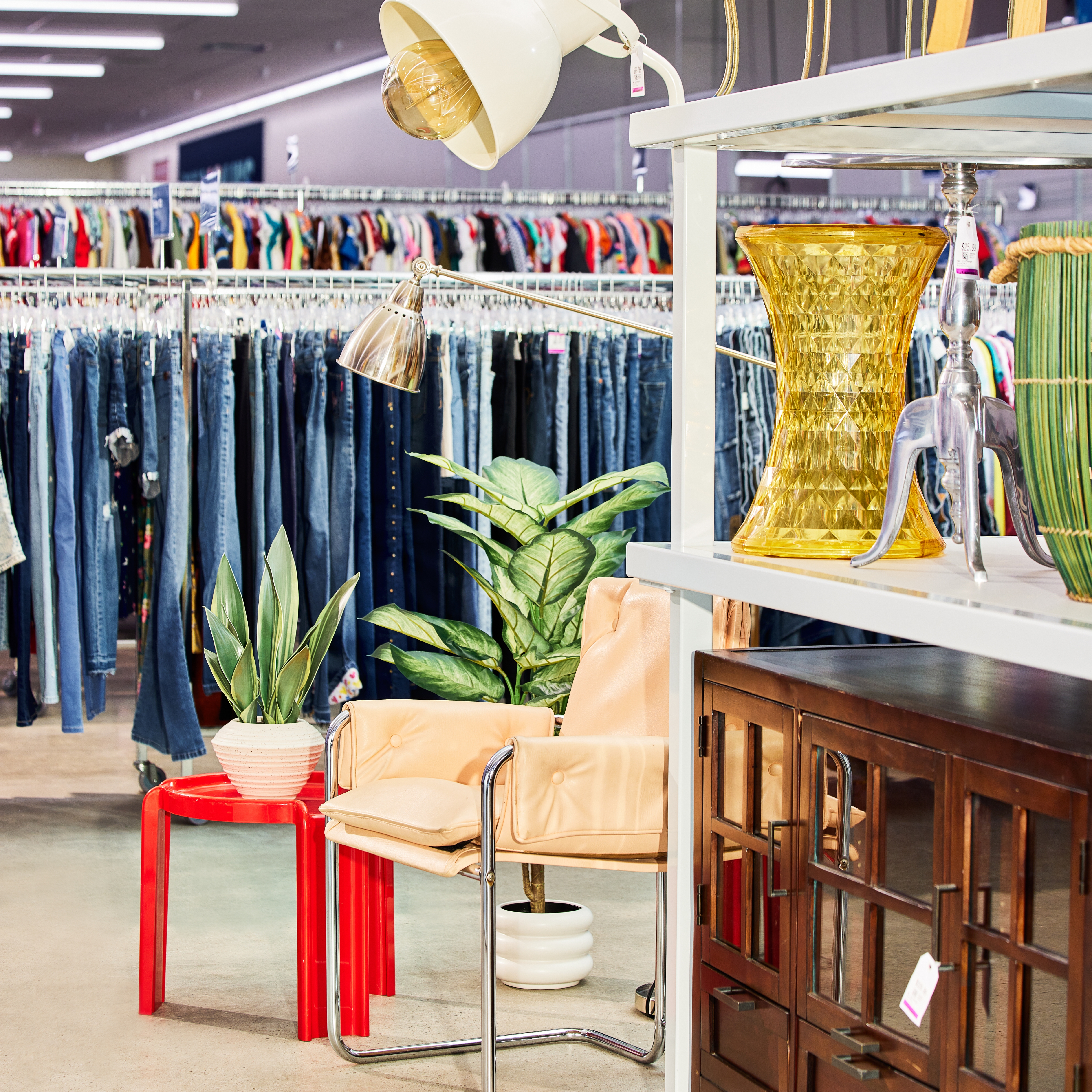
Walking into a thrift store is like stepping into an organized treasure chest. Start with the clothing section. Thrift stores often have a mix of modern brands and vintage pieces, sorted by type (shirts, jackets, dresses, etc.) and sometimes by size. If you're lucky, you'll spot high-quality items for a fraction of their original price. A $5 gently-used sweater? Yes, please!
Next, there’s typically a housewares section. This is where you’ll find dishes, utensils, mugs, and small appliances. A quick tip: always test items like toasters or coffee machines (most stores have an outlet nearby for this). You don’t want to take something home only to realize it’s not working.
Furniture is another section worth browsing. From mid-century modern chairs to cabinets just begging for a DIY makeover, thrift store furniture is full of character. Just make sure to inspect pieces for damage like wobbly legs or missing parts. Most stores don’t allow returns, so it’s better to be safe than sorry. Oh, and while you’re checking furniture, don’t forget to peek under cushions or inside drawers, you never know what small bonus treasures you might uncover.
Finally, thrift stores often have quirky odds and ends. Think vinyl records, old board games, or even random jars of buttons. These unexpected finds make the experience memorable. One visit, I even found a shelf full of collectible spoons. They were 50 cents each! Who even collects spoons? (Apparently, I do now.)
What Makes Thrift Stores Different?
It’s easy to confuse thrift stores with other secondhand retailers, but they have distinct differences. For starters, thrift stores are often run by nonprofit organizations, where proceeds support local causes like job training or shelters. This gives you an extra reason to feel good about shopping there.
On the flip side, consignment shops are for-profit and usually focus on higher-end or curated inventory. These stores offer fewer surprises but often come with higher price tags. If you're hunting for bargains, thrift stores win every time. The average thrift store price for a T-shirt? Around $3-7. At a consignment shop, it could easily triple.
Another key difference is the inventory turnover. Thrift stores rely on donations, so their stock rotates frequently. This makes timing important. Visiting once a week or so increases your chances of snagging great items. Some stores even restock daily, so it's worth asking employees when new donations hit the floor.
Oh, and let’s not forget the vibe. Thrift stores feel approachable and community-driven. You might overhear someone chatting with cashiers about where an item came from or asking for advice on how to clean a secondhand rug. It’s casual, friendly, and almost always unpredictable.
FAQs About Thrifting
- Are thrift stores clean? Yes, most thrift stores take hygiene seriously. Items are sorted, cleaned (if possible), and inspected before hitting the sales floor. Still, it’s a good idea to wash clothing and sanitize items like toys or dishes when you get home.
- When is the best time to visit? Midweek mornings are usually less crowded, making it easier to browse. For fresh finds, go just after the store restocks, call ahead to check their schedule.
- Do thrift stores sell new items? Occasionally, yes! Many receive donations of overstock or unsold items from retail stores. These are often brand-new, with tags still attached.
Find a Thrift Store Near You
Now that you're ready to explore, finding a good thrift store is the next step. Thrift Store Pal has over 1124 verified listings with an impressive average rating of 4.2 stars. You can search by location, read detailed reviews, and even plan your visit in advance to make the most of your trip. Who knows, your next treasure could be just around the corner.