Why Consignment Shops Are More Than Just Thrift Stores
Not every thrift store is a consignment shop, and not every consignment shop feels like a thrift store. That’s the twist most people don’t see coming. Walk into one of these places expecting chaotic racks of random bargains, and you’ll quickly notice something different: consignment shops are curated. Every item, whether it’s a designer purse or a vintage dresser, passed inspection before landing on the floor. They’re not just selling pre-owned goods, they’re working on behalf of others, and that changes everything.

A Peek Inside: What Consignment Shops Offer
First, let’s talk about what you’ll find. Consignment shops tend to focus on quality over quantity. The selection is often smaller compared to a traditional thrift store, but you’ll see name-brand or high-end items more frequently. Clothing and accessories dominate many locations, ranging from gently used mid-tier labels to luxury brands, with the occasional rare find. You might spot a $300 leather jacket priced at $80 or a pair of barely-worn heels that originally retailed for quadruple the tag you’re seeing now.
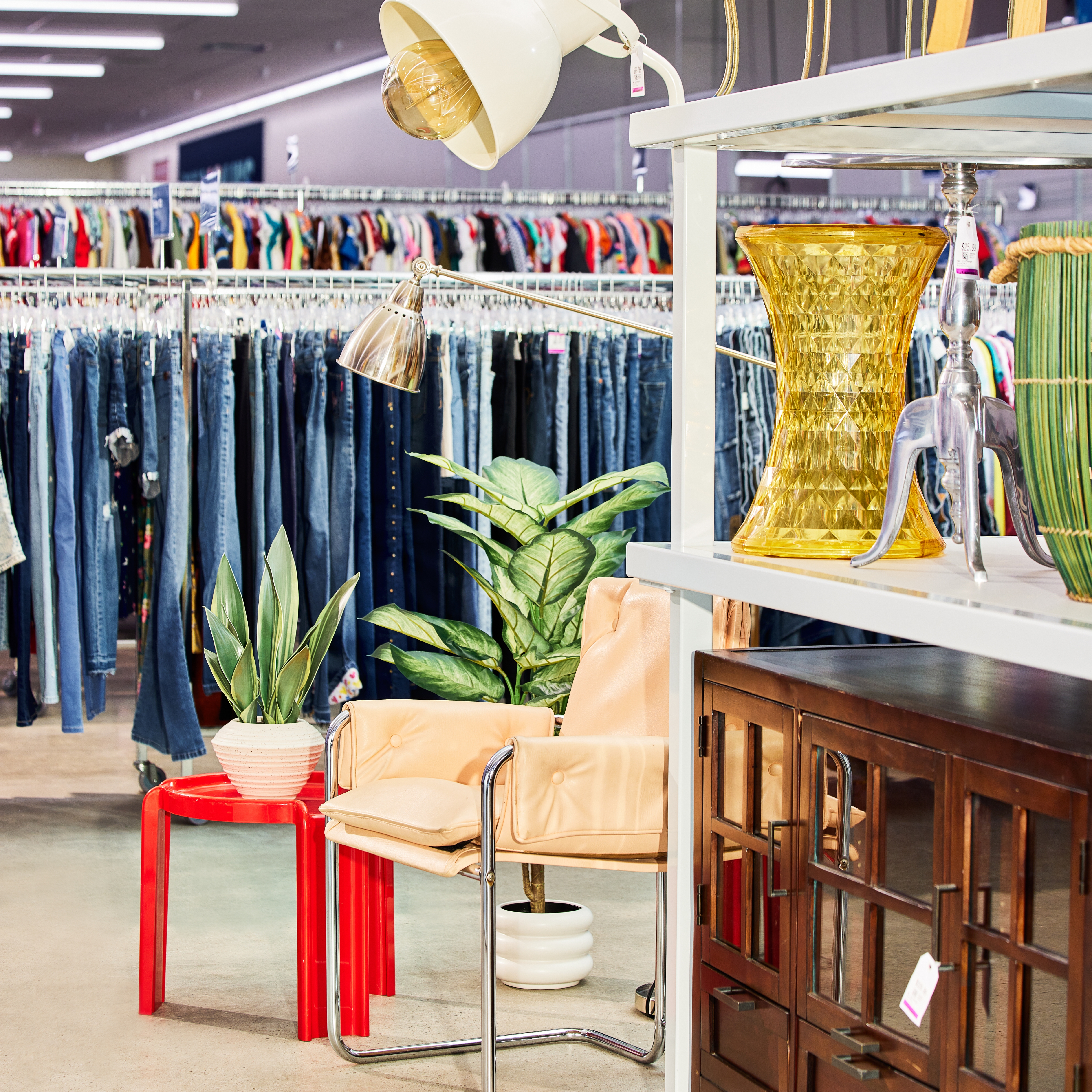
Some shops venture beyond apparel. Many consignment businesses delve into furniture, home goods, and even artwork. It’s not unusual to find a well-kept antique dining table or a set of unique glassware. And here’s a fun detail: some shops group items by style or era. Pop into a well-organized furniture consignment shop, and you may find entire mid-century modern living room setups ready to go. It's a vibe.
If you’ve visited consignment shops listed on Thrift Store Pal (there are over 1124 verified options, after all), you’ve probably noticed their polished atmosphere. Most places are tidy and carefully arranged, with an emphasis on creating a boutique-like experience. This isn’t the corner thrift shop with chaotic bins to rummage through, it’s a local business representing dozens (sometimes hundreds) of individuals who trust them to sell their belongings. That dynamic shapes everything, down to the way items are displayed and priced.
How Consignment Shops Differ From Thrift Stores and Resale Boutiques
At first glance, consignment shops might seem similar to other secondhand stores, but subtle differences set them apart. Here’s the biggest one: in consignment shops, items are sold on behalf of their original owners. The shop acts as a middleman, keeping a percentage of the sale price while the owner gets the rest. That’s why you’ll often see higher-quality goods, it’s in both the shop’s and the seller’s best interest to only display items that will actually sell.
Contrast that with thrift stores, where most items are donated outright. Thrift pricing is usually lower, but the quality can be hit or miss depending on what’s been dropped off. Consignment shops, by comparison, operate more like a selective gallery, though pricing can vary widely depending on the shop’s clientele and location. A lightly used dining chair might cost $40 in a suburban consignment shop, but in a trendy urban neighborhood, it could easily be marked $80 or more. Context, as they say, is everything.
Then there are resale boutiques, which differ in yet another way. These stores buy pre-owned goods upfront, meaning the original owner gets their payment immediately, not when the item sells. Resale shops are generally even more selective and often focus on specific niches: only designer handbags, only sneakers, or, say, only kids’ clothing. Consignment shops tend to cast a wider net, appealing to a broader audience but still sticking to a quality standard.
Curious what this looks like in practice? Picture a consignment shop with a carefully curated rack of coats, multiple sizes, multiple brands, but all clean, modern, and in good condition. Now picture a thrift store coat rack. You’re more likely to find a mix of outdated styles and occasional stains, but hey, they’re cheaper. It all depends on what you’re after.
Tips for Shopping Smart in Consignment Shops
Now, let’s get practical. If you’re new to consignment shopping, here’s the first thing to know: don’t hesitate if you find something you love. Most items are one-of-a-kind, and once they’re gone, they’re gone. That perfect leather bag or rustic coffee table might not be there tomorrow. (I learned this the hard way after losing a beautiful lamp to indecision. Never again!)
Another tip? Pay attention to sales cycles. Many consignment shops discount items the longer they stay on the floor. You might see tags with dates or color-coded systems indicating markdowns. An item that’s been sitting for 30 days could be 20% off, while anything there for 60 days might drop by 50%. It’s worth asking the staff how their pricing works, they’re usually happy to explain.
Finally, check if the store accepts returns. Policies can vary widely in consignment shops. Some may allow exchanges or offer store credit, while others consider all sales final. Knowing this upfront can save you a headache later.
Why Consignment Shops Deserve a Spot in Your Routine
At the end of the day, consignment shops hit a sweet spot between affordability and quality. You’re not just saving money; you’re also giving great items a second chance. Plus, shopping these stores supports local businesses and, indirectly, the individuals who consign their goods. It’s a win-win.
So the next time you’re scrolling Thrift Store Pal or driving through town, keep an eye out for these places. Whether you’re after a wardrobe refresh, a furniture upgrade, or just curious to see what gems are waiting, consignment shops never fail to surprise. And remember, if you see something good, don’t wait too long to decide. It might not be there when you come back.