Why Thrift Store Prices Are Rising and How to Still Find Deals
There are 1123 thrift stores listed in our directory, averaging a solid 4.2-star rating. That’s a lot of second-hand treasure hunting, isn’t it? But if you’ve been a frequent thrifter lately, you may have noticed something a little less thrilling: the prices. Thrift stores, once known for rock-bottom bargains, aren’t always as cheap as they used to be. Some items are priced so high you’d swear they were at a boutique!
So, what’s going on? Why is a thrifted sweater edging closer to the cost of a brand-new one? And, most importantly, how can you still score great deals? Let’s unpack the reasons behind this price shift and explore some strategies to keep your thrifting game strong.
The Growing Popularity of Thrifting
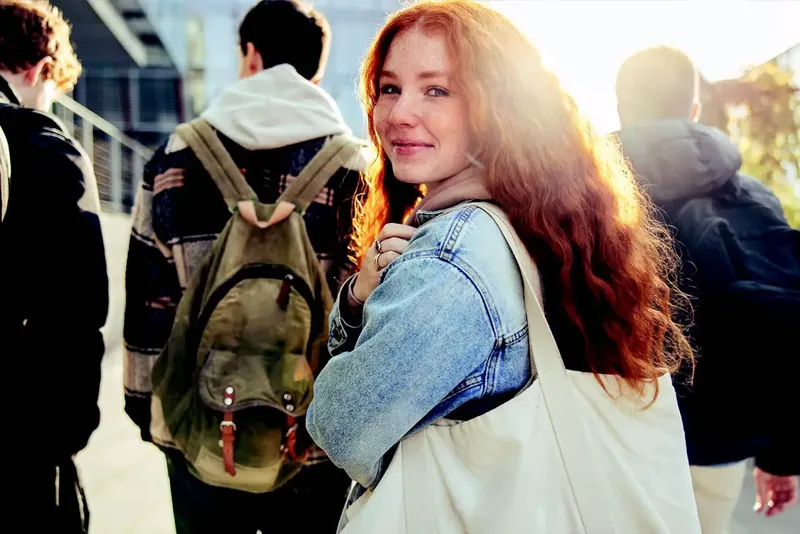
Thrifting isn’t just for quirky fashion lovers or budget-conscious shoppers anymore. It’s gone mainstream. Everywhere you turn, people are talking about second-hand finds, sustainable fashion, and reducing waste. And let’s not forget social media. Platforms like Instagram and TikTok are flooded with thrift hauls and DIY upcycling tutorials. Suddenly, wearing thrifted clothing has become cooler than splurging on fast fashion. It’s a cultural shift, and a big one at that.
This cultural shift is reflected in the numbers. According to our data, there are 1123 thrift stores across just five cities we track closely: Colorado Springs, Denver, Phoenix, Boise, and Honolulu. These stores collectively boast an impressive average rating of 4.2 stars, showing just how much people enjoy their thrifting experiences. From eco-conscious shoppers reducing their environmental footprint to resellers hunting for vintage gems, thrift stores are buzzing with activity.
What surprised me, though, is how diverse the crowd is. I walked into a store recently and saw teenagers flipping through racks for 90s-inspired looks, parents hunting for kids’ clothes, and even a couple looking for retro furniture. It’s not a niche thing anymore, it’s everybody. And that growing demand? It’s part of why prices are creeping up.
Why Thrift Store Prices Are Rising
Let’s get into the nitty-gritty of why you might be paying more for that “bargain” lamp or second-hand dress.
Increased Demand
First and foremost, demand is through the roof. Thrift stores used to cater primarily to those who needed affordable goods. Now, with thrifting’s rise in popularity, everyone wants a piece of the pie. Think about it: more shoppers in the store means more competition for the best items. And when demand goes up, prices tend to follow.
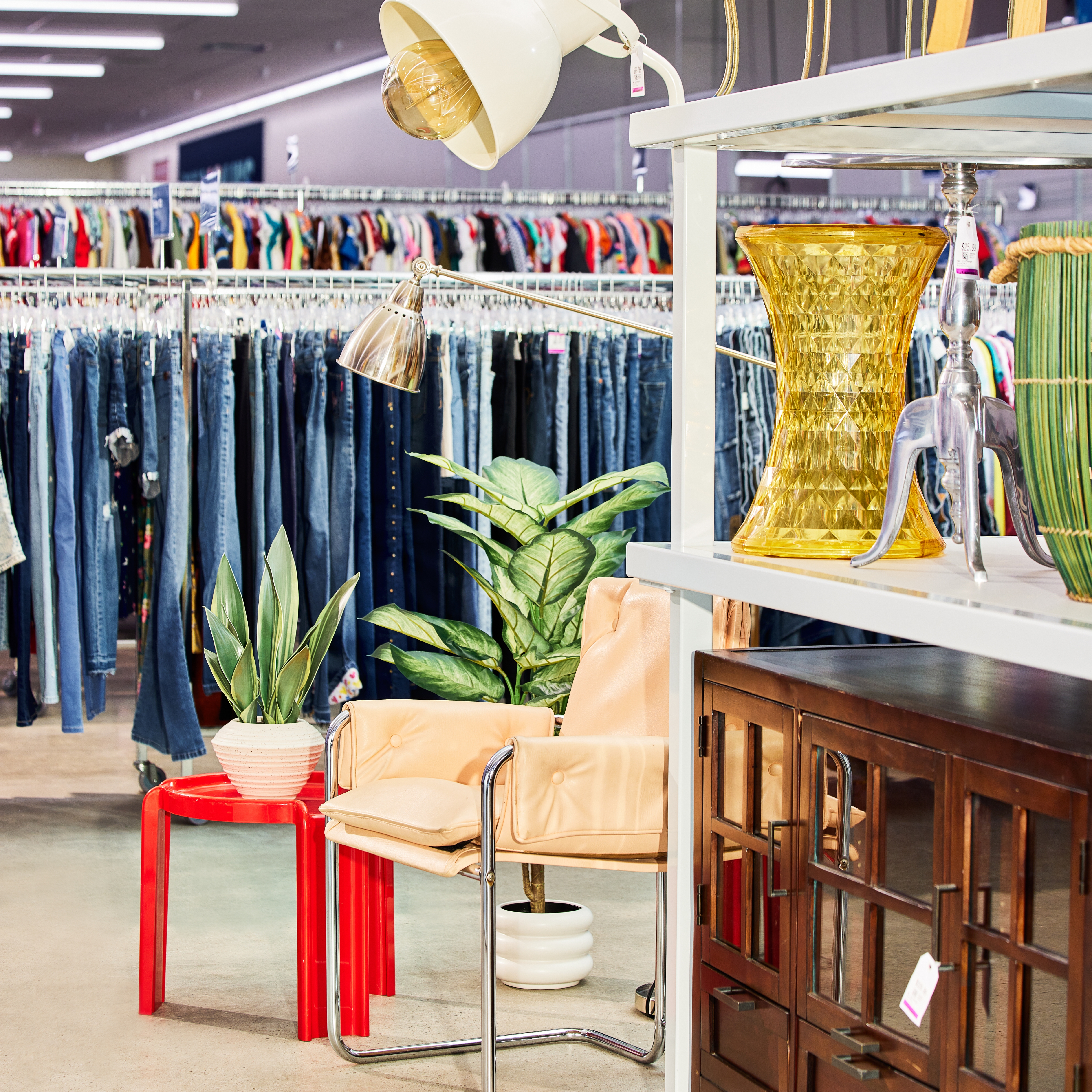
Social media has played a huge role in this, too. Influencers regularly share their thrift finds and inspire their followers to do the same. Some thrift stores have even started “curating” their stock to cater to this new, trendier audience. That vintage denim jacket or mid-century modern lamp? They know people will pay more for it, and so they’re pricing it accordingly.
Higher Operational Costs
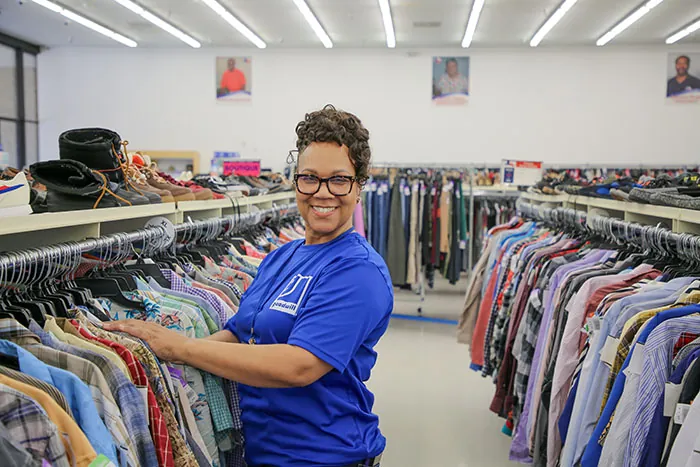
Another factor? It’s not just demand. Thrift stores are businesses, after all, and they’ve got bills to pay. Rent, utilities, labor costs, they’re all on the rise. Plus, processing donations isn’t as simple as sticking them on a shelf. Items need to be sorted, cleaned, and displayed, and all that takes time, effort, and resources.
In fact, in cities with a higher cost of living, like Honolulu, where our directory lists 11 thrift stores, operational costs can really add up. Shipping and logistics to get items onto an island are no joke. It’s no wonder prices there can be steeper compared to, say, Boise, which also has 11 thrift stores but far lower overhead expenses.
Resellers and Market Trends
Finally, there’s the growing number of resellers. Platforms like Poshmark and Depop have made flipping thrift store finds into a legitimate side hustle. Resellers scour thrift stores for high-value items, particularly branded or vintage clothing, and sell them for a profit online. This creates competition, not just among shoppers but also with the store itself. Thrift stores are starting to recognize the value of these items and price them higher accordingly.
And sometimes, you’ll see something truly shocking. I once saw a thrift store selling a vintage band T-shirt for $50. Fifty bucks! It made me do a double-take. But here’s the thing: people are willing to pay that because they know it’s still cheaper than buying it from a reseller.
Data Insights: Thrift Store Trends Across Cities
Now, let’s zoom out and look at some trends. Our directory highlights 16 thrift stores in Colorado Springs, 12 in Denver, 12 in Phoenix, and 11 each in Boise and Honolulu. Among the top-rated stores, some absolute gems stand out:
| Store Name | Location | Rating | Reviews |
|---|---|---|---|
| Dirtbag Vintage | Fayetteville, AR | 5.0 | 538 |
| Gift To Earth Thrift Store | South Plainfield, NJ | 5.0 | 354 |
| Tandem Vintage | Minneapolis, MN | 5.0 | 169 |
Seeing the numbers laid out like this makes one thing clear: thrift stores are doing something right to keep people happy despite price hikes.
How to Still Find Deals in Thrift Stores
Shop early in the morning or on weekdays when new stock hits the shelves.
But even with higher prices, there are ways to stretch your dollar while thrifting. Timing is huge. Many stores restock early in the morning or have discount days for seniors, students, or specific color tags. Call ahead or follow your favorite stores on social media for updates.
Another tip: shop outside major cities. Stores in smaller towns often have lower foot traffic, which can mean better deals. And do not skip the less obvious sections! I’ve found some of my best deals in the housewares aisle, think quirky mugs, vintage Pyrex, or gently used cast-iron pans.
Lastly, building relationships with staff can go a long way. A friendly conversation might lead to insider info on when they restock or upcoming sales.
Alternatives to Traditional Thrifting
If thrift store prices are putting you off, consider alternative options. Online platforms like Poshmark, ThredUp, and eBay let you search for second-hand items by brand, size, or even price range. And if you’re looking for non-clothing items, salvage grocery stores or local flea markets can be great places to find deals.
Sometimes a coat of paint or a little sewing can turn an ordinary thrifted item into something unique.
FAQ
Why are thrift stores getting more expensive?
Increased demand, higher operational costs, and resellers driving up competition are the main reasons.
How can I find the best deals?
Shop during restocking hours, visit stores in smaller towns, and keep an eye out for discounts or promotions.