5 Smart Ways to Compare Prices at Thrift Stores
Ever walked into a thrift store, spotted something you loved, but hesitated because you weren’t quite sure if the price was fair? It happens all the time. Prices at thrift stores can vary so much that it's hard to tell when you're getting a deal or overpaying. But don't worry, this doesn't have to be stressful. Comparing prices across multiple stores can save you money, help you feel confident in your choices, and even make the hunt more fun. Here are five practical ways to evaluate what you’re paying and make sure you’re getting great value.
1. Look for Similar Items in Different Stores
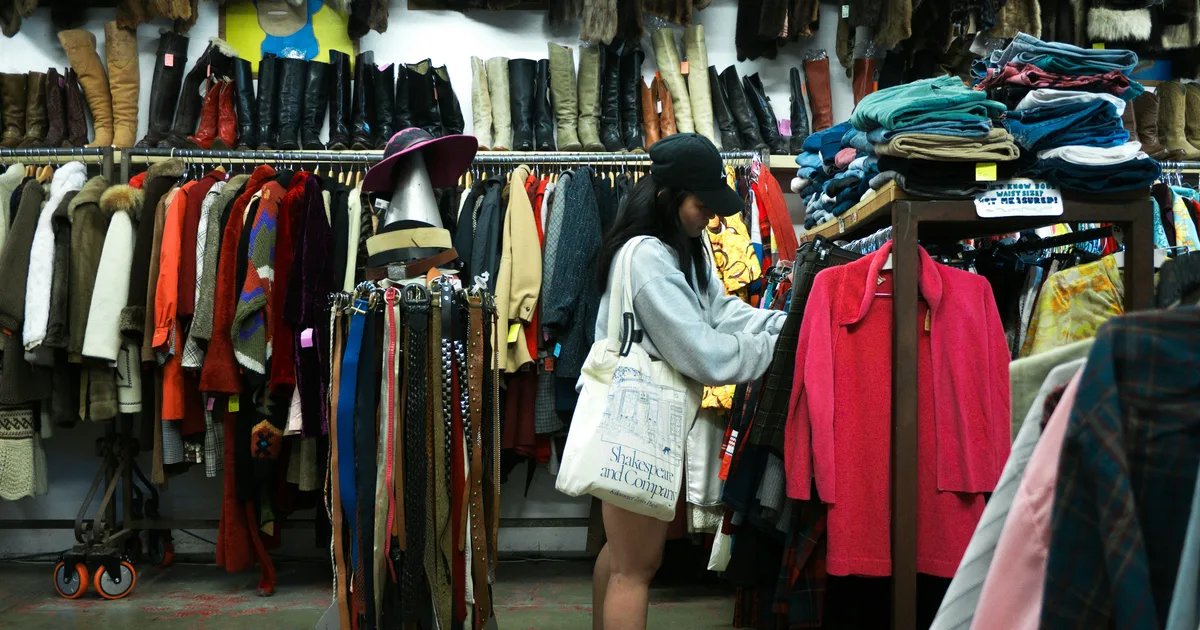
One of the easiest ways to assess thrift store pricing is by comparing similar items across multiple locations. Since Thrift Store Pal has over 1,133 verified listings, it's easy to browse reviews and find other nearby stores. For example, if you’re shopping for a vintage jacket and see one priced at $35 in one store, take a little time to check other stores in your area through the directory. You might just find a similar piece for $20 somewhere else.
Thrift pricing can be unpredictable, even for identical items. One store may value a brand-name item differently than another. This happens because some places price based on the brand, while others just categorize items generically. If you notice big swings in pricing for similar items, that’s a cue to shop around. (Quick note: some stores have discounts on specific days, always worth checking before making your rounds!)
2. Use Online Retail as a Reference
Sure, thrift stores are all about bargains, but it’s still helpful to know the general market value of what you’re buying. Before committing to that $25 mid-century lamp, a quick online search can tell you if a similar one sells for $15 or $50 elsewhere. Websites like eBay or Etsy are good for this. No one wants to overspend on something thinking it’s rare, only to later find out it’s a common item priced too high.
Here’s a tip: if you’re looking at clothing, try finding the same brand’s original retail price. Some thrift stores mark down higher-end brands but still overvalue them compared to resale platforms. Checking this takes only a few seconds but can save you from overpaying by $10, $20, or more. And hey, it can also help you justify spending a little extra if you discover something’s true worth!
3. Watch for Clues in Pricing Patterns
Every thrift store has its own quirks when it comes to pricing. Some stores price based on the item category (e.g., all shoes are $10), while others go by brand or condition. Spend time observing how a particular store handles pricing. If you're in a facility where the prices seem universally high, it might be worth moving on to another nearby shop. And yes, that’s another time the directory comes in handy, you can quickly find other stores with better ratings or reviews.
Another pattern to watch for is markdown cycles. Many thrift stores discount older inventory after it sits for a while. If you notice colored tags or weekly sales, make a mental note to revisit the store when prices drop. A $40 chair could suddenly become a $20 chair with just a little patience.
4. Think About Quality, Not Just Price
Low prices are great, but not if you end up with something flimsy or poorly made. When comparing prices between thrift stores, pay attention to the actual condition of the items. A $10 sweater with pilling and loose threads might not be a better deal than a $25 sweater in excellent shape. Quality matters in the long run.
Here’s an example: secondhand electronics. If one store sells a used mixer for $30 but doesn’t guarantee it works, while another offers a working one for $50, the extra $20 might save you headaches. Always weigh the condition against the price when making comparisons, especially for bigger purchases. (Oh, and always test electronics before you buy, this is non-negotiable!)
5. Don’t Be Afraid to Walk Away
This one’s simple but so important. If you’re not sure the price is fair, just leave it. Thrift stores are full of surprises, and another visit later or a trip to a different store might yield something even better. It’s easy to get caught up in the moment, especially when you find something you love, but a little patience often leads to smarter, more satisfying purchases.
This doesn’t mean you have to spend hours deliberating over every item, though. A quick mental checklist, “How much do I love this? Can I find it elsewhere for less? Is the quality good?”, should do the trick. Plus, the thrill of finding a truly great deal is even sweeter when you know you’ve done your homework!
Final Thoughts
Comparing prices at thrift stores isn’t just about saving money; it’s about making sure you’re getting good value for what you buy. With Thrift Store Pal’s directory, you’ve got access to over 1,133 verified listings, so there’s no shortage of places to scope out. Use these tips next time you’re shopping, and enjoy the satisfaction of finding those incredible deals. A little extra effort can make the difference between a good buy and a great one.