How to Spot Hidden Gems and Avoid Duds at Thrift Stores
Ever found a pair of boots so good it felt like fate? Or worse, rushed home with a “deal” that fell apart on its first use? Thrifting is a treasure hunt, but catching the diamonds requires more than a quick glance. With over 1133 verified listings on Thrift Store Pal, there’s no shortage of options for thrifters. The trick is learning to inspect items like a pro, so every piece you leave with feels like a win, not a waste.
Look Beyond the First Impression
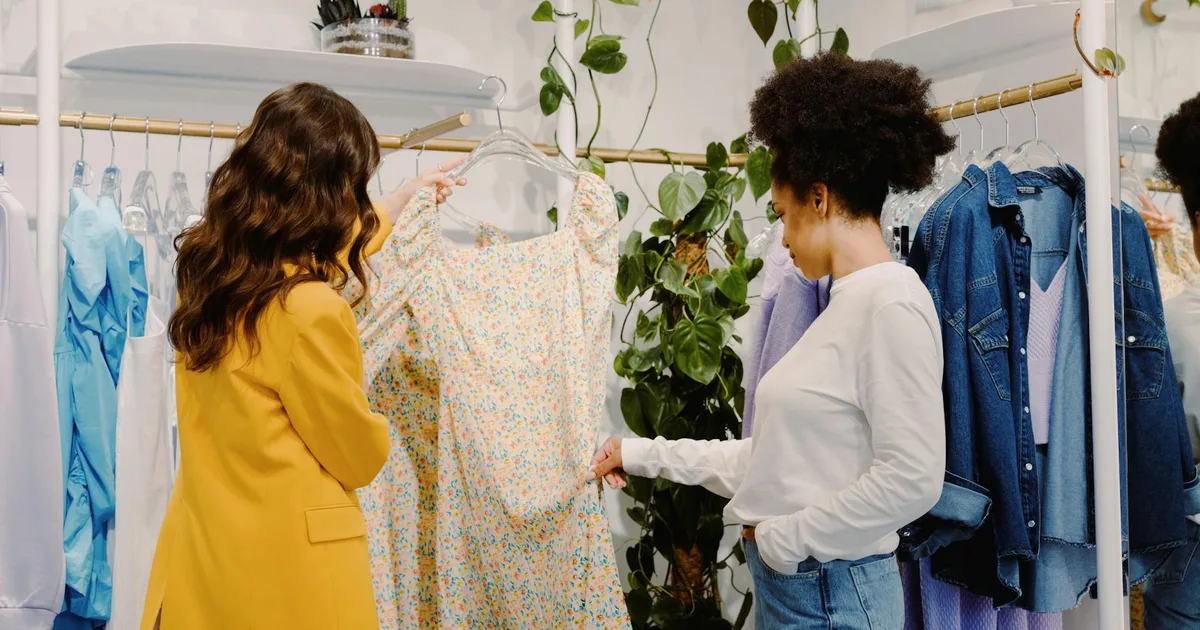
Thrift stores are masters of creating eye-catching displays. That buttery leather jacket hanging near the entrance? It might have scuffs hiding on the sleeve. Items often look good at first glance, but a closer inspection can reveal flaws, or features, you didn’t notice at first.
Take clothing, for example. Hold garments up to the light to spot small stains or tears you might miss in dim store lighting. Pay special attention to the underarms, cuffs, and collars, where wear and discoloration is most likely. One quick trick: run your fingers over seams and hems to check for loose stitching. Sure, a small tear can sometimes be fixed, but knowing it’s there ahead of time saves surprises (and possibly extra costs).
And it’s not just clothes. For furniture or décor, look underneath and behind. Is that chair stable? Are there signs of water damage on the bookshelf? If it’s something mechanical like a lamp or small appliance, plug it in if the store allows. You wouldn’t want to get home and realize it doesn’t even work. I learned that lesson with a record player once, never again.
The “Wear and Tear” Test
Not everything in a thrift store is secondhand, but much of it is. That means you should check for signs of use before committing. This is especially true for items like shoes, bags, or anything that endures a lot of wear.
With shoes, flip them over to examine the soles. Heavy wear there usually means the shoes won’t last long, no matter how stylish the uppers are. For handbags, test the zippers and buckles. They’re some of the first things to break, and replacing them can be a hassle. A quick tug on the strap attachment points will also tell you if they’re close to breaking.
Another telltale sign of durability? The material itself. Natural materials, like leather and wood, tend to age better than plastics or laminates. That said, even the best materials wear out eventually. If you spot cracks, peeling, or deep scratches, think twice. Sure, you might feel clever scoring a vintage dresser for $10, but not if it needs $100 of repairs to make it usable.
Dig for Labels, Tags, and Details
Sometimes, it’s the small details that reveal an item’s true quality, and value. Labels and tags can tell you a lot about what you’re buying, from the brand to the type of fabric or material. Recognizing a high-end brand among the racks? That’s the kind of thrill thrifters live for.
For clothing, check care tags to see if the item is machine washable or dry-clean only. Trust me, you’ll regret buying that “perfect” blouse if it costs more to clean than it’s worth. For vintage or designer pieces, feel for weight and texture. A wool sweater should feel thicker than an acrylic blend, and genuine leather jackets will have a different grain and smell than faux alternatives.
Non-clothing items have their own set of clues. For example, check kitchenware for maker’s marks or stamps. Names like Le Creuset or Dansk might be hiding in plain sight. That plain-looking pot? It could be a collectible worth five times what the store’s charging.
Know When to Walk Away
Not every “deal” is worth it. Thrift stores can be exciting, but making smart choices often means putting something back, even if it feels hard to let go. There’s no shame in walking out empty-handed if you didn’t find what you need, or if the items didn’t pass your inspection.
Ask yourself this: “Do I actually love this item, or am I just excited about the price?” If it’s the latter, it’s better to skip it. Another tip: set a budget. It’s easy to keep adding things to your cart, only to realize you’ve spent way more than you intended. Focus on quality over quantity. Remember, there’s always another trip, another store, another chance to find something better.
Thrifting gives you access to endless possibilities, but the key is being selective. Whether you’re browsing one of Thrift Store Pal’s verified locations or exploring a hidden neighborhood shop, take your time, use your hands and eyes, and stay practical. In practice, the best finds aren’t just the cheapest, they’re the ones you’ll actually use, and love.