How to Spot the Hidden Gems Without Getting Burned
Have you ever snagged what felt like the deal of a lifetime, only to find out later it wasn’t all it seemed? That’s the risk you run if you don’t take a moment to really inspect your finds. Thrift stores are full of treasures, sure, but they sometimes hide a few surprises too (and not the good kind).

With over 1,133 verified thrift store listings on Thrift Store Pal, and an average rating of 4.2 stars, there’s no doubt you’ll have plenty of options to explore. But to get the most value from your visits, you need to be sharp when evaluating items. Let’s talk about how to do that, step by step.
Eye the Overall Condition
Your first job is to give each item a quick, top-to-bottom once-over. Look for any obvious signs of damage, like stains, rips, or missing pieces. Trust me, it’s easy to get so excited about spotting a designer label or a unique vintage piece that you miss a glaring flaw. (Oh, hey, been there.)
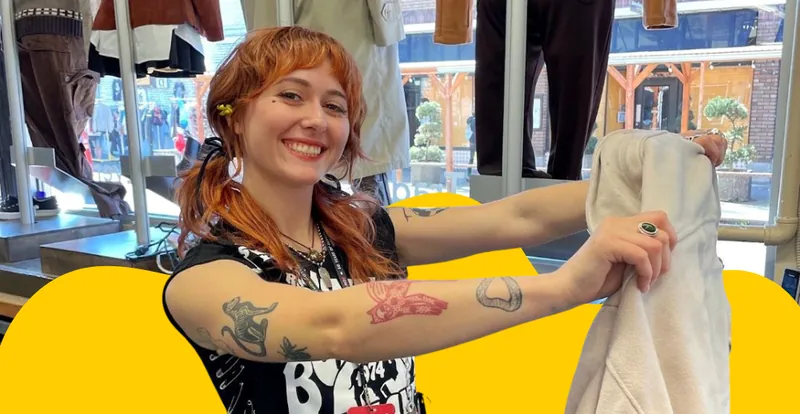
For clothes, hold the garment up to the light to check for holes or thinning fabric. Be sure to inspect tricky spots like underarms, cuffs, and hemlines. Those areas tend to wear out first. If you’re looking at furniture, test the sturdiness by giving it a little shake or sitting down. A chair that wobbles now isn’t likely to last much longer.
When you’re checking smaller items like glassware or ceramics, run your fingers along the edges to feel for chips. Sometimes tiny imperfections hide where your eyes don’t immediately catch them.
Look for Brand Markers
Not all thrift store finds are created equal. Spotting high-quality items often comes down to knowing what to look for. For example, some clothing brands are known for their durability and can last years even after being pre-loved. Check the tags for telltale signs like fabric type—100% cotton, wool, or leather usually beats polyester blends, and stitching quality.
On household items, flip them over. That’s where most manufacturers hide brand stamps, which can tell you a lot about whether it’s worth the price tag. A solid cast-iron skillet with a known maker’s mark is a lifetime investment, while an off-brand one may not hold up under daily use. A quick Google search can even confirm if what you’re holding is a rare gem, or just another mass-produced item.
Here’s a fun sidenote: Some stores actually sort by quality themselves. Did you know some thrift stores mark up vintage Pyrex but leave an equally sturdy no-name dish at bargain-bin prices? It pays to know your brands!
Be Wary of “Almost Perfect” Items
Let’s say you find a jacket that fits like a glove… except the zipper’s broken. Or a mid-century lamp that’s flawless except for its busted wiring. Should you buy it? The answer depends on your DIY skills, patience, and budget for repairs. Often, those “almost” items seem like easy fixes in the moment but end up being more expensive than you expected.
If you’re eyeing something that needs repairs, take a second to calculate the cost realistically. Can you sew that tear yourself, or will you need a professional? Does the missing button matter, or will hunting down a match be impossible? And don’t forget to factor in time. Sometimes a “fixer-upper” steals the joy right out of your find if it sits in your closet or garage untouched for months.
Of course, sometimes the risk pays off. I once grabbed a side table missing a drawer pull because I knew I could swap out all the hardware for a few bucks. But be honest with yourself before committing to those kinds of projects. You don’t need a house full of half-done repairs.
Trust (but Verify) Pricing
Here’s a little secret: not everything thrifted is a bargain. Prices can vary wildly depending on the store, the item, and even the neighborhood. Some thrift stores know the value of what they’re selling, while others just slap a price on and stick it on the shelf.
When in doubt, compare prices. If you’re not sure whether that vintage teapot or pair of shoes is worth it, pull out your phone. A quick online search can show you what similar items sell for on resale platforms like eBay or Poshmark. Just remember that thrift store pricing often skips the middleman, what you see is what you get, without shipping fees or bidding wars.
One more tip: check for sales or discount days. Many stores have rotating deals, like half-off certain color tags or special discounts on slower weekdays. Timing your trip can make a big impact on your bottom line.
Final Thoughts: Take Your Time
Rushing through a thrift store might save you time, but it won’t save you money. The best finds usually go to those who slow down, check thoroughly, and make thoughtful decisions. It’s not just about spotting a deal, it’s about making sure your “deal” doesn’t come with hidden costs down the road.
So next time you’re diving into one of Thrift Store Pal’s 1,133+ verified listings, keep your eyes sharp and your hands busy inspecting. Happy hunting, and may all your finds be gems!