Thrift Store Comparison: Local Independents vs. Chain Stores Near You
You know the thrill of finding a killer deal, right? Picture this: you walk into a thrift store, the smell of aged books and wood mingling with faint laundry detergent from the racks of clothes. You find a vintage leather jacket or a mid-century lamp that could easily cost ten times more anywhere else. That’s the magic of thrifting in Texas, where the options are as big as the state itself.
Why Compare Thrift Stores?
Thrifting has exploded in popularity over the last decade, especially here in Texas. It's not just about saving money anymore; it's about sustainability, unique finds, and the joy of the hunt. But with so many thrift store options out there, it can be tough to decide where to go, do you hit up the quirky local shop or head to a big chain like Goodwill?
That’s exactly what this guide is here for: to break down the pros, cons, and everything in between about shopping at local independent thrift stores versus national chains in Texas. We’re diving into pricing, selection, community impact, and more so you can figure out what works best for you (and maybe even plan a thrifting road trip while you’re at it).
Overview of Thrift Stores in Texas
Texas has a thriving thrift store scene. Seriously, there are 923 thrift businesses spread across the state! Whether you’re hunting for rare vintage finds or just need a new (to you) coffee table, you’re bound to find something amazing.
Now, some cities really stand out when it comes to thrifting. Take Dallas, for example, it has over 100 listings, making it a treasure trove for secondhand shopping. Houston and Austin are no slouches either, each offering dozens of standout spots with rave reviews. And let’s not forget San Antonio and Fort Worth, which round out the top five cities for thrift store density in Texas.
Here’s another cool thing: thrift stores in Texas are diverse in style and vibe. You’ve got your local independent stores, often family-owned, with funky and one-of-a-kind selections. Then there are the chain thrift stores, like Goodwill and Salvation Army, which are bigger and more standardized. Both have their own charm, and challenges.

Local Independents vs. Chain Stores: Side-by-Side Comparison
So, how do local independent thrift stores stack up against the chains? Here’s a quick breakdown:
| Criteria | Local Independents | Chain Stores |
|---|---|---|
| Pricing | Often lower, negotiable | Standardized, occasional sales |
| Selection | Unique, vintage finds | Wider variety, standardized |
| Customer Service | Personalized, community-focused | Professional, but less personal |
| Community Impact | Supports local economy | Often benefits large charities |
| Shopping Experience | Quirky, smaller locations | Spacious, organized |
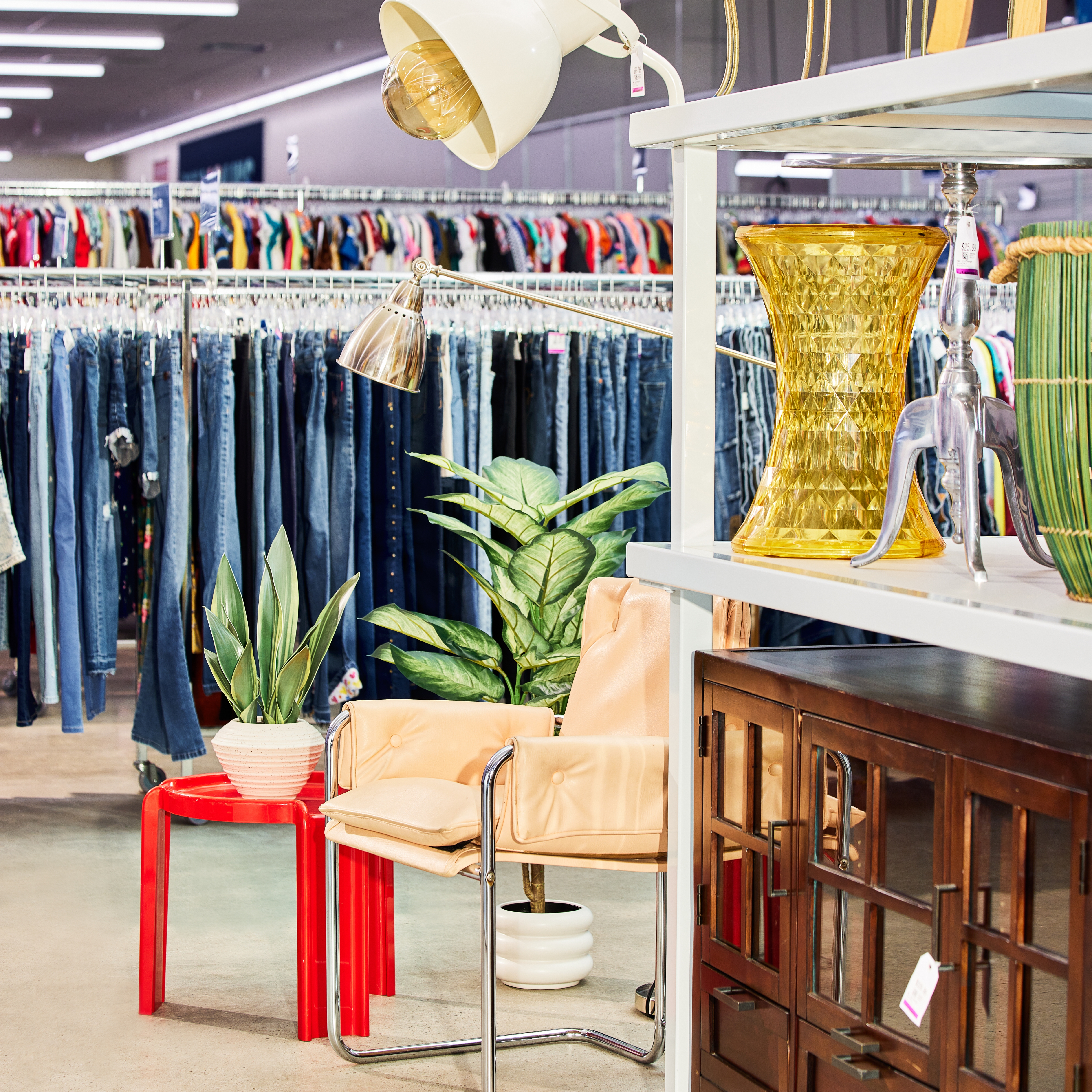
Local Independents: These places are all about character. You’ll find rare vintage clothing, retro home goods, and maybe even a friendly chat with the owner. But inventory can be hit or miss, and the hours might not always work for your schedule.
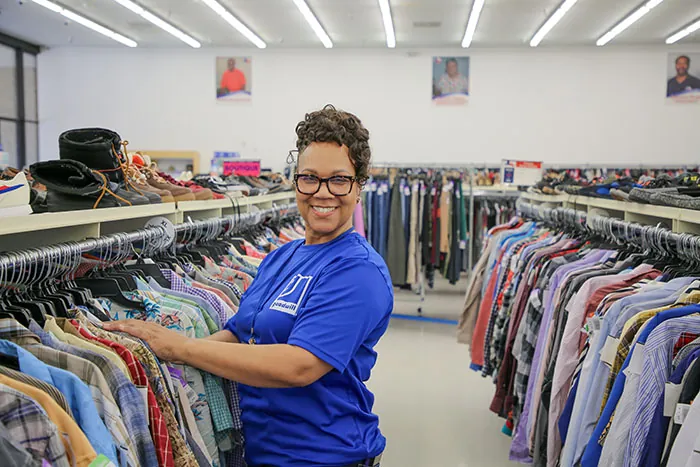
Chain Stores: Think predictable but practical. You know what to expect, lots of clothing, furniture, and household goods, all sorted and labeled. They’re usually more accessible too, with longer hours and multiple locations. The downside? Sometimes it can feel a little impersonal.
Check out chain stores for furniture or bulkier items, but hit up independent shops when you’re hunting for unique, one-of-a-kind finds.
Pricing and Value Differences
Okay, let’s talk numbers. When it comes to pricing, local independents tend to come out ahead, especially if you’re looking for unique or vintage items. Many of these shops price items based on their own assessments (or even mood, seriously, it happens). Some will even negotiate, which is always fun if you’re in the mood to haggle.
Chain thrift stores, on the other hand, stick to standardized pricing. That can be a good thing if you’re looking for consistency, but it also means you might miss out on snagging a killer deal. The silver lining? Most chain stores run seasonal sales and discount days, so keep an eye out for those. (Pro tip: ask if they have student or senior discount days!)
Want to stretch your dollar even further? Shop on weekdays when the stores are less crowded, and you’ll have better access to new arrivals. Oh, and if you’re shopping for groceries on a budget, you might also want to browse salvage grocery stores—it’s a different kind of treasure hunt.
Inventory and Selection
Here’s where the vibe really shifts. Local independents tend to be more specialized. You might find a store that exclusively sells vintage clothing or one that’s focused on antique furniture. Inventory turnover can be slower, though, since they rely heavily on donations or estate sales. This means if you see something you love, grab it, because it might not be there tomorrow.
Chain stores, on the other hand, offer a little bit of everything. Clothing? Check. Housewares? Check. Books, electronics, toys? Yep, you’ll find all that too. And because they often receive corporate donations, you can sometimes snag brand-new items for a fraction of the retail price.
For hidden gems, go to local independents. For basics or bulk items, stick with chains.
Community Impact and Sustainability
When you shop at a local independent thrift store, you’re directly supporting small business owners and their families. It’s a big deal for local economies, especially in smaller towns where every sale counts. Plus, many of these shops give back to the community in unique ways, like hosting charity events or supporting local artists.
Chain stores, on the other hand, often funnel their profits into larger charitable organizations. Goodwill, for example, uses proceeds to fund job training programs. Both models have their merits, it just depends on what matters most to you.
FAQs
Are thrift stores in Texas open on weekends?
Most chain thrift stores are open 7 days a week, but local independents often have more limited hours. Always check before you go!
Do thrift stores offer returns?
Policies vary. Chains like Goodwill usually have a return policy for non-clearance items, but many independents operate on a final-sale basis.