Thrifting on a Budget: How to Create a Smart Shopping List
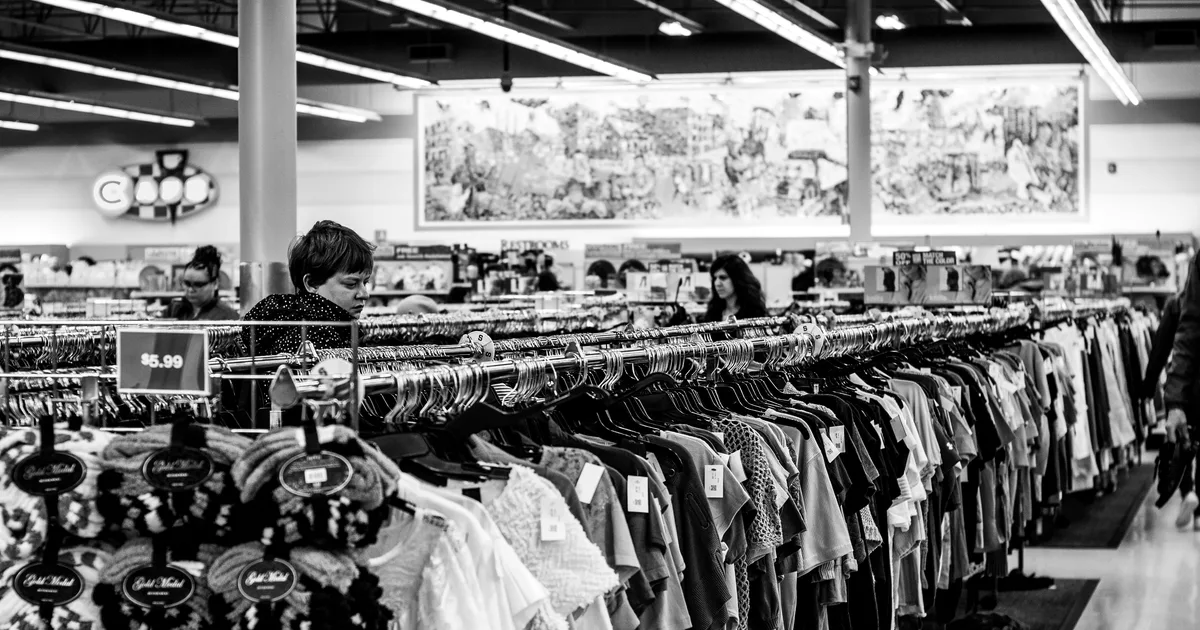
Here’s a wild fact: there are 923 thrift stores listed in the Thrift Store Pal directory, spanning just five cities, with an average customer rating of 4.2 stars. That’s a treasure trove of second-hand bargains waiting to be uncovered! But let’s be real for a second, without a plan, thrifting can spiral into an overwhelming hunt or, worse, an impulse-buy spree that leaves you with bags of “meh” purchases.
This guide is here to help you thrift smarter. A little strategy can mean big savings (we’re talking up to 90% off retail prices!) while keeping your budget in check. Plus, thrifting is one of the most eco-friendly ways to shop, it’s like giving the planet a high-five while scoring cool stuff.
Why Thrifting is a Smart Financial Choice
First off, let’s talk dollars and cents. Buying second-hand is just plain cheaper. Need a winter jacket? You might pay $200 at a retail store, but at a thrift store, you’re looking at $25. That’s $175 still sitting pretty in your wallet. The savings can be jaw-dropping, whether you’re hunting for furniture, clothing, or even small appliances.
And here’s something not enough people think about: thrifting doesn’t just help your budget, it helps the planet. Every second-hand item you buy is one less thing headed to a landfill. Plus, you’re skipping all the environmental costs of producing something new. Win-win, right?
These places also carry everything under the sun. From books to designer handbags to vintage home decor, thrift stores are like treasure chests. You never know what you’ll find, but one thing’s for sure: variety is never an issue. If you’re feeling adventurous, you might even want to check out salvage grocery stores near you for pantry staples on a budget. The possibilities are endless.
Research and Plan Before You Shop
Walking into a thrift store without a plan is like grocery shopping while hungry, dangerous and expensive. Do some prep work beforehand to save yourself time and money.
Find the Right Thrift Stores
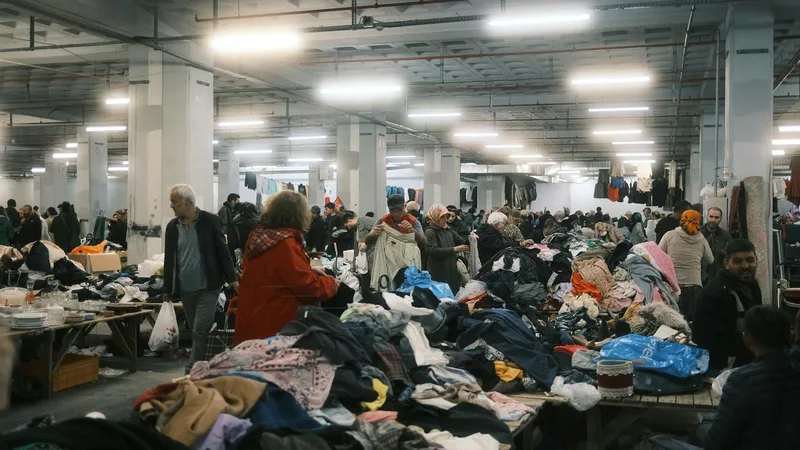
Start by looking up highly-rated stores near you. Thrift Store Pal is a fantastic resource for this, with 923 businesses listed and detailed reviews to guide you. For example, Dirtbag Vintage in Fayetteville, AR, has an impressive 5.0-star rating based on 538 reviews. That’s practically legendary in thrift store terms! If you’re in the mood for a fun shopping road trip, cities like Colorado Springs, Boise, Honolulu, Phoenix, and Columbus each boast 11 listings, plenty to explore.
Here’s a pro tip: check out store websites or call ahead to ask about inventory and sales days. Some stores specialize in certain items, like vintage clothing or furniture, while others have a bit of everything. Knowing what to expect can make your visit way more efficient.
Set a Specific Budget
It’s easy to go overboard when everything seems like a good deal. Set a spending limit before you leave the house. For instance, if you’re shopping for clothes, plan to spend $50-$100. Hunting for furniture? Allocate around $150, depending on your needs. Stick to that number like glue, it’s your safety net against impulse buys.
Create a Prioritized Shopping List
This part is huge. Write down exactly what you need, ranked by priority. Need a winter coat more than a quirky lamp? Put the coat at the top of your list. For furniture and home decor, include measurements to avoid the heartbreak of falling in love with a piece that doesn’t fit in your space. Oh, and don’t forget to bring a tape measure, trust me, it’s a lifesaver.
Timing is Everything: When to Shop for the Best Deals
Timing can make or break your thrifting experience. Hit the store on the right day, and it’s like the universe lines up just for you.
Shop During Sales or Promotions
Many thrift stores offer discounts on certain days of the week. Senior discounts, color tag sales, half-off days, you name it. Call ahead or check their website to find out when these deals happen. For example, a lot of stores slash prices on Mondays to clear out weekend inventory.
Visit After Major Donation Events
Post-holiday season (think January), spring cleaning months (March-May), and back-to-school prep time (August-September) are goldmines for fresh donations. People are decluttering, and that means thrift stores are overflowing with goodies. It’s the perfect time to shop.
Shop Early for the Best Selection
This is key: arrive as soon as the store opens. Staff often restock items overnight, so mornings give you first dibs on new inventory. It might mean setting an alarm on your day off, but it’s worth it when you snag that perfect find before anyone else.
How to Evaluate Items for Quality and Value
Not every thrift store gem is in mint condition, but with a little inspection, you can separate the gold from the garbage.
Inspect Items Thoroughly
Check clothing for stains, rips, or missing buttons. Test zippers and look at seams for any signs of wear. For furniture, sit on it, shake it a bit, basically, put it through its paces. Electronics? Always plug them in to make sure they work. It’s better to spend five extra minutes testing than to regret a broken buy later.
Know Brand Value and Pricing
A little research goes a long way. If you spot a name-brand item, look up its original retail price. For example, a $200 jacket selling for $25 is an 87% savings. That’s how you know it’s a steal. Apps like eBay or Poshmark can also help you gauge second-hand value if you’re unsure.
Negotiate When Appropriate
Here’s a little secret: some stores are open to haggling, especially for items with visible damage. If you spot a scuffed coffee table or a dress with a missing button, politely ask if they’d consider a discount. Worst case? They say no. Best case? You walk out with an even better deal.
Cost Comparison: Thrifting vs. Retail Shopping
| Item | Retail Price | Thrift Store Price | Savings |
|---|---|---|---|
| Winter Jacket | $200 | $25 | 87% ($175) |
| Dining Table | $600 | $120 | 80% ($480) |
| Designer Handbag | $400 | $75 | 81% ($325) |
| Books (per item) | $15 | $3 | 80% ($12) |
Imagine what you could do with the money saved here. A family outing, a month’s worth of groceries, or even just padding your savings account. Thrifting really is the ultimate budget hack.