Why Checking for Quality at Thrift Stores Saves You More Than Money
Picture this: you spot what looks like the perfect table lamp at a thrift store. The color matches your living room, the price tag says it’s a steal, and you can already picture it lighting up your space. But when you get home, you realize the cord has a split, and the base wobbles so much it feels ready to topple over. That minor thrill of a good find? Gone. And now you're stuck deciding whether to fix it or toss it. Situations like this are common, and they’re avoidable when you know how to check for quality before buying. Let’s explore the traps, and how to sidestep them like a pro.
Myth 1: If It Looks Good, It’s Good
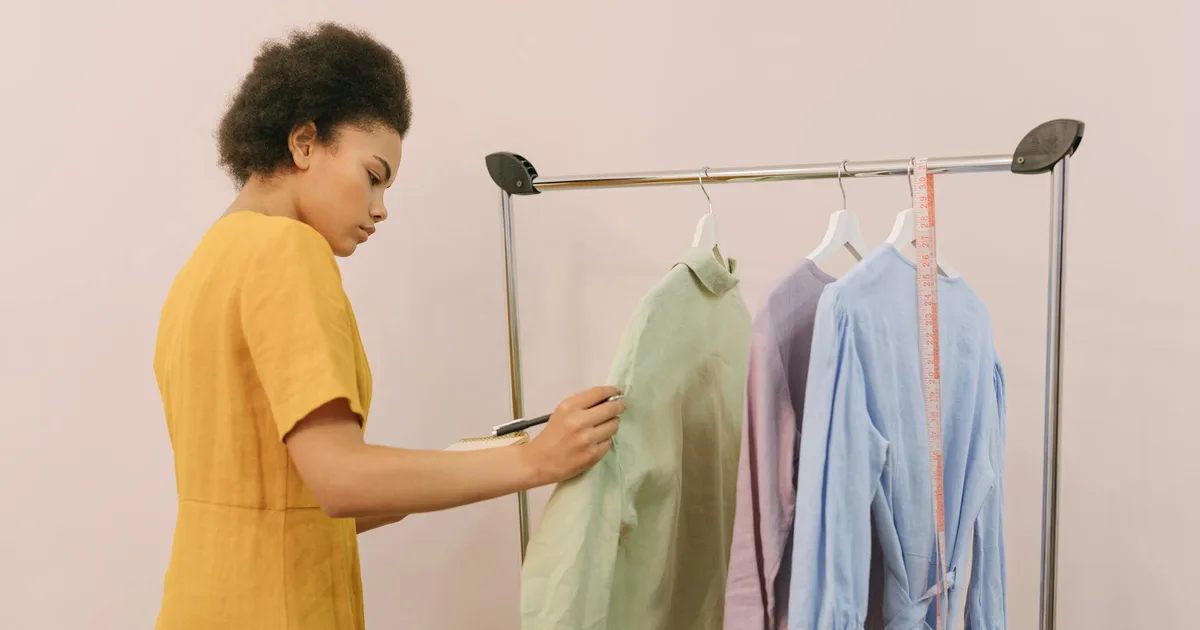
Looks can absolutely be deceiving, especially at thrift stores. While many items might appear fine at first glance, it’s in the closer inspection where you truly separate the gems from the clutter. Clothing, for instance, might seem pristine on the hanger, but a quick look at seams or underarms could reveal loose stitching or hard-to-remove stains. A cute jacket that ends up with a busted zipper isn’t such a deal after all.
Always handle the items. For clothes, run your fingers over the fabric to feel for thinning areas. For furniture, give it a little shake, does it feel solid, or does it creak and sway? And for items like electronics, don't rely on guesswork. Ask the staff if you can plug it in and test it. If there’s no way to test, consider it a gamble. In places with over 1133 verified listings like Thrift Store Pal, you don’t have to settle for questionable picks when there are so many others to choose from.
Myth 2: Missing Parts Don’t Matter
It’s tempting to tell yourself you’ll "figure it out later" when an item has missing pieces. But let’s be honest: how often do most of us actually follow through with tracking down parts? A board game missing a few pieces or a kitchen appliance without its attachments might seem okay in the moment, but they often end up sitting unused, or worse, costing you even more down the road if replacement parts aren’t cheap.
When eyeing something with multiple components, think practically. Does that blender have all its blades? Are all the screws in place for that flat-pack chair? Sometimes stores will label items as “as-is,” and this is your cue to double-check. If you don’t know where to start, take a quick photo of the item and Google the original product. A few clicks can tell you what should come with it and whether what you’re holding is complete or not.
Myth 3: Stains and Wear Are Easy to Fix
We’ve all been there: standing in a thrift store aisle convincing ourselves that a little elbow grease will magically restore something. Sometimes, you’re right! But other times, removing stains or repairing damage can become a full-blown headache. For example, certain fabrics like suede or silk can be tricky to clean without professional help, which can cost more than the item itself. And as for wear and tear? That “charming, rustic” look on a piece of wood furniture might just be splinters waiting to happen.
A good habit when checking items is to ask yourself, “Do I know how to fix this, and do I actually have the time?” If the answer is no, walk away. There are plenty of treasures in these places that won’t come with such a long to-do list. Remember, thrift stores often replenish their stock, so patience can reward you with something better next time.
What This Means for You
Thrift shopping is all about maximizing the value of your finds, but it only works if you’re mindful. A quick, detailed check for quality can save you from hidden costs, wasted time, and disappointment. Look closely at seams, screws, cords, and surfaces. Think twice about missing parts or tricky repairs. And when in doubt, keep browsing. After all, with so many verified thrift stores averaging 4.2 stars on Thrift Store Pal, there’s no shortage of options to explore. The hunt is half the fun, why not make sure your find is worth it?