Why Skipping a Quality Check Can Cost You More
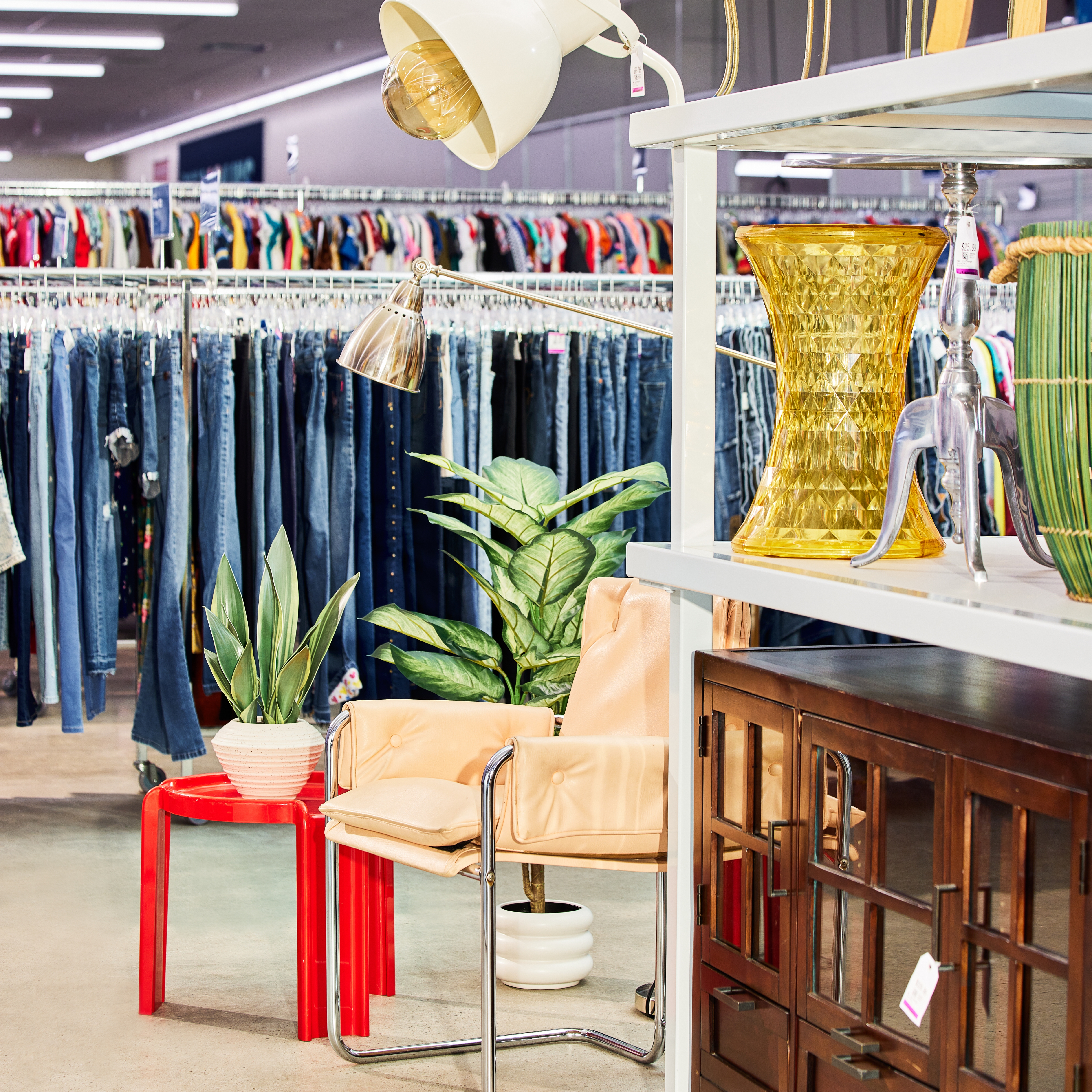
Picture this: you’ve found a stylish chair at a thrift store. It’s perfect for your living room and shockingly affordable. You take it home, only to realize one leg is wobbly, and fixing it will cost more than the chair itself. Sound familiar? This is exactly why taking a minute to inspect items before buying is more important than it seems. Thrift Store Pal’s 1133+ verified listings offer an incredible variety of finds, but without a quick quality check, even the best bargains can turn into costly regrets.

Myth 1: "If It Looks Fine, It Probably Is"
Here’s the thing, many items at thrift stores look good at first glance, but a closer inspection often tells a different story. Clothing might hide tiny stains under folds, electronics can have loose components, and furniture may have unseen structural damage. Don’t let appearances fool you.
Always check seams on clothing for loose threads, especially around high-stress areas like armpits or pant cuffs. For furniture, wiggle the legs or arms to test for stability. And for anything with moving parts (like gadgets or kitchen tools), test their functionality before making a decision. A flashlight or phone light can help spot imperfections in dark corners of the store.
Quick example: a vintage lamp might look pristine, but does it actually work? Ask if you can plug it in before buying. These small checks can save you a lot of hassle (and extra expense) later.
Myth 2: "Missing Parts Don’t Matter"
It’s tempting to think an item missing a screw, button, or cord can be easily fixed. And sure, sometimes it’s true. But often, replacing parts costs more than you expect, or worse, spares might not even be available.
When checking electronics, make sure all essential cables are included. For board games or puzzles, count the pieces if possible (or, at least, eyeball the box to see if it feels suspiciously light). Even with furniture, watch for missing screws or bolts. These hidden details can turn a “great deal” into a frustrating project.
For example, I once bought an exercise bike for $15 because it seemed like a steal. Only later did I realize it was missing the pedal crank. Replacement? $45. The bike ended up sitting unused in my garage for months. Don’t let that happen to you.
Myth 3: "You Can Clean Anything at Home"
It’s true that many thrifted items clean up nicely, but not everything is salvageable. Stains or odors can sometimes be impossible to remove, no matter how much scrubbing or soaking you do. And fabrics with mold or mildew? Forget about it, those might even be unsafe to bring home.
When buying clothing, do a quick sniff test (yes, really), especially for wool or leather items, which can hold on to smells more stubbornly than cotton. Check under collars, cuffs, and hems for hidden stains. For upholstered furniture, look for discoloration and sniff for mustiness, which could mean deeper moisture damage.
Pro tip: if you’re unsure about a stain on fabric, try rubbing it lightly with a damp tissue or cloth in the store. If the mark bleeds or spreads, assume it’s not coming out.
Myth 4: "Small Flaws Are No Big Deal"
Small imperfections might seem harmless, until they grow into bigger problems. A tiny crack in glassware can spread after one wash. A loose table leg can snap under pressure. And don’t even get me started on clothing with tiny holes. Those will rip faster than you think.
For glass or ceramics, run your finger along the edges to check for chips. For wooden items, press firmly on weak-looking spots to see if they creak or flex. And for fabrics, gently tug on seams to test their strength. These quick moves can help you avoid buying things that won’t last long.
Here’s another overlooked tip: check zippers on bags and clothing. They might look fine but could easily jam or break once you try using them. If the zipper feels stiff in the store, it’ll probably worsen at home.
What This Means For You
Thrift stores offer incredible opportunities to find unique, affordable items, but only if you’re willing to put in a little extra effort before buying. Skipping a quality check might save you a minute in the store, but it could cost you much more in repairs, replacements, or wasted time.
Next time you’re exploring one of Thrift Store Pal’s verified listings, keep this in mind: a small flashlight, some patience, and a willingness to test things out can make all the difference. Trust me, your future self will thank you for it.