Why Sustainable Shopping Really Makes a Difference
Do eco-friendly practices in stores actually matter? Yes, and here's why. When thrift shops implement standards like Sustainability Focus Listings, it impacts more than just your purchase, it reshapes habits, communities, and even the planet. Thrift Store Pal's list of 1,133+ verified locations shows that a growing number of stores prioritize sustainability, but what does that mean for you in practice?

Myth #1: "Sustainability Focus" Is Just a Buzzword
It might sound like a trendy term, but it's not just fluff. When a thrift store earns a Sustainability Focus Listing, it means they're taking measurable actions to reduce waste and promote responsible consumption. For example, some stores partner with recycling centers to upcycle clothing that can’t be resold. Others have “repair stations” where you can fix items you already own, cutting down on unnecessary replacements.
These aren't small efforts. Think about this: the EPA estimates that 85% of textiles in the U.S. end up in landfills. A Sustainability Focus store pushes against that trend by keeping items in circulation or finding creative secondary uses for damaged goods. The more stores adopt these practices, the fewer resources we waste as a society.
And no, you won’t need to pay through the nose for the privilege of shopping sustainably. Thrift stores with this standard often find ways to balance eco-friendly initiatives with affordable pricing. That’s intentional, it’s about accessibility, not exclusivity.
Myth #2: Sustainable Shopping Is Only About Clothes
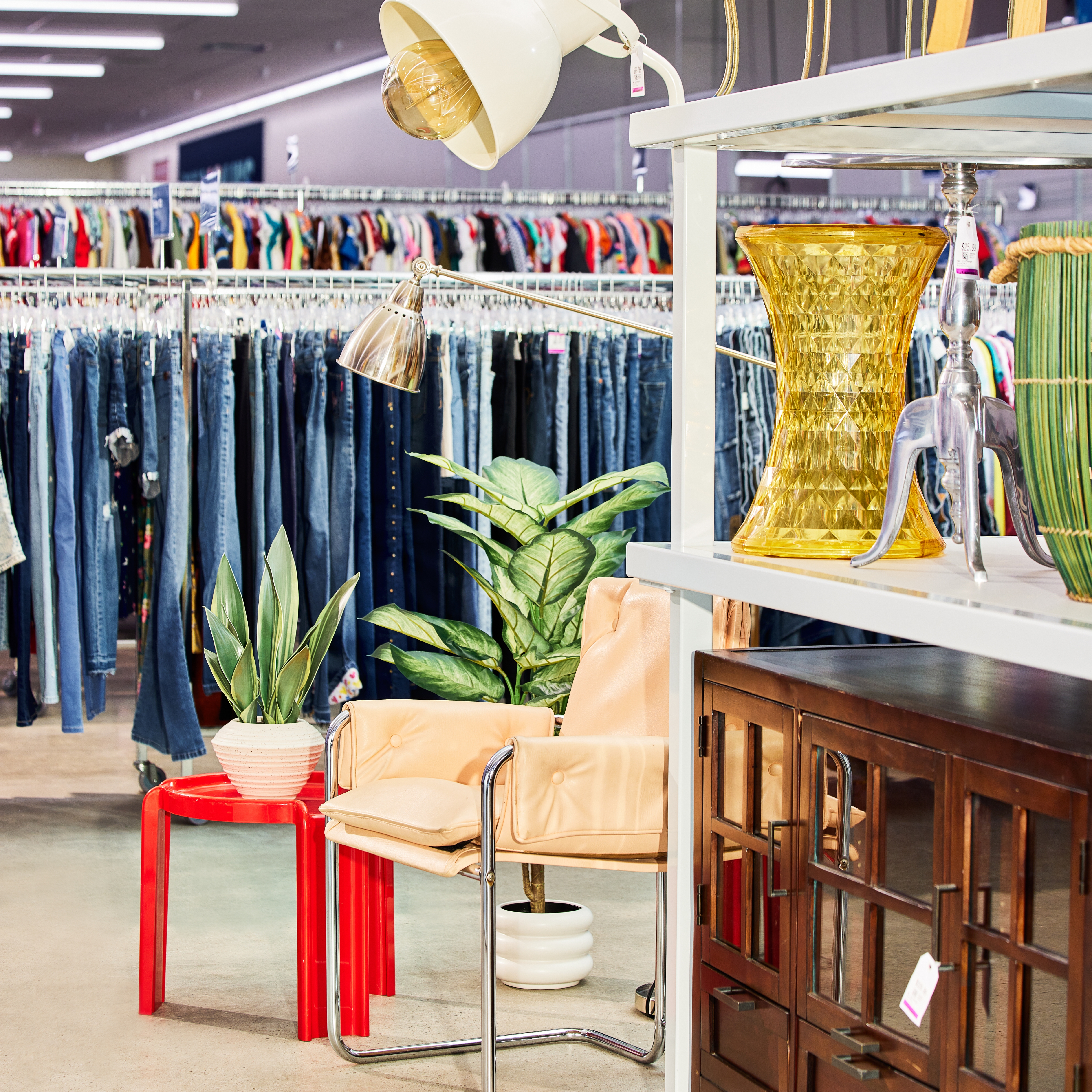
Sure, thrifted clothes get a lot of attention, but Sustainability Focus Listings go far beyond the racks. Many of these stores extend eco-friendly practices to furniture, electronics, and even home goods. Ever noticed refurbished antique chairs or upcycled coffee tables at a thrift store? That’s sustainability at work. Some shops even limit plastic packaging or offer reusable bags at checkout as part of their commitment.
Small actions like these ripple outward. Consider electronics, for example. E-waste is a huge problem globally, but thrift stores with Sustainability Focus Listings often inspect and resell donated devices instead of discarding them. That’s fewer batteries and gadgets leaching into the soil. Honestly, it feels good to know your “new-to-you” desk lamp or couch setup had a second life saved from the landfill.
Here’s a fun aside: some stores even host “DIY nights” where customers learn how to repurpose donated materials into something entirely new. Imagine turning chipped mugs into mini planters, you’d be surprised at how creative these events get!
Myth #3: Sustainability Practices Make Shopping More Complicated
Not at all. In fact, thrift stores with a sustainability focus often make it easier. Clear signage helps guide you toward items with the smallest environmental footprint. Some stores label products showing which materials are biodegradable or which brands they trust for durability. Transparency like this simplifies decisions rather than overloading you with choices.
Beyond labeling, many of these places actively educate their customers. Ever seen a bulletin board near the entrance with stats on water saved by buying secondhand jeans? Or posters about the carbon footprint of furniture manufacturing? It’s not just info, it’s encouragement to feel good about small, conscious actions.
If anything, shopping at a Sustainability Focused thrift store can be like a treasure hunt, but one where you score a great deal and help the planet at the same time. Pro tip: ask about workshops or community meetups if you’re curious. You might find your new favorite hobby while you’re at it.
Myth #4: One Person's Choices Don't Really Matter
This one couldn’t be further from the truth. Every purchase you make, or don’t make, carries weight. Say you buy a refurbished couch instead of a new one. That one choice saves roughly 55 kilograms of CO2 emissions, according to the Carbon Trust. Multiply small actions like that across even a fraction of Thrift Store Pal’s 1,133+ listings, and the impact gets massive.
Even your donations play a role. Sustainability-focused stores often have specific guidelines for what they accept, ensuring donated items are either resold, repurposed, or responsibly recycled. That means your old toaster isn’t just tossed in a dumpster; it might be repaired and resold to someone who needs it.
Wait, let’s zoom out for a second. Individual responsibility does matter, but collectively, it’s where the magic happens. When thousands of people consistently shop and donate under these principles, it signals to businesses and governments that consumers prioritize sustainability. And that’s when systemic change starts.
What This Means for You
Sustainability Focus Listings make it easier for you to shop thoughtfully without overhauling your lifestyle. Whether it's about limiting waste, supporting eco-conscious practices, or simply learning more about the impact of your habits, these stores bridge the gap between personal choices and broader change.
The next time you’re browsing, look for these certifications. They aren’t just labels, they’re a sign of the store’s commitment to values you can support. And who knows? You might just find your new favorite thrift spot in the process. After all, saving the planet one couch, one coat, or one coffee mug at a time isn’t just possible, it’s happening right now.